Day2: Upington to Port Nolloth
We left a hot and clammy Upington and continued west in South Africa’s Northern Cape Province.
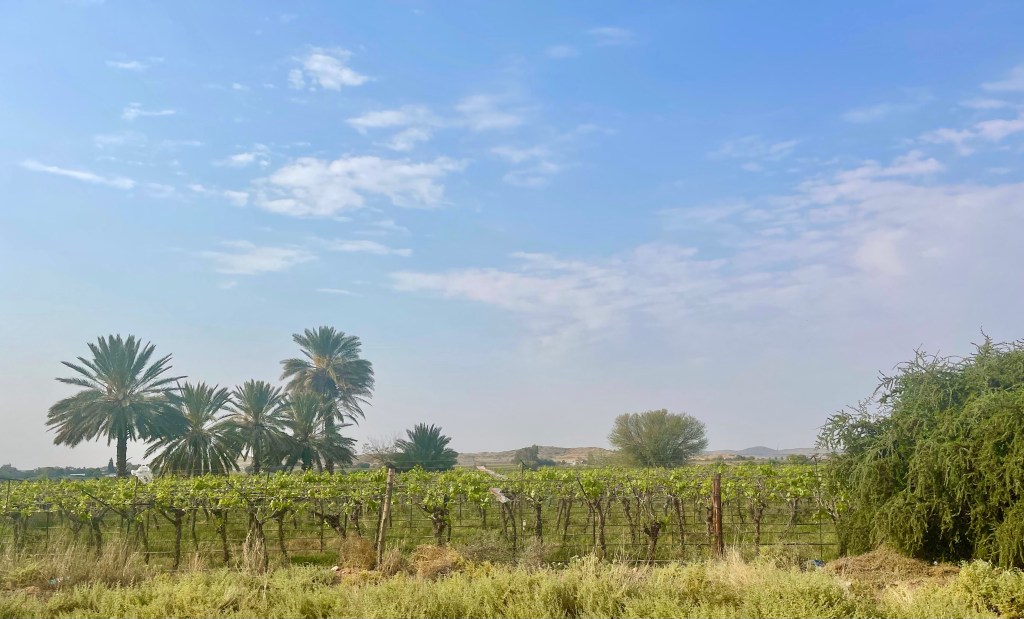
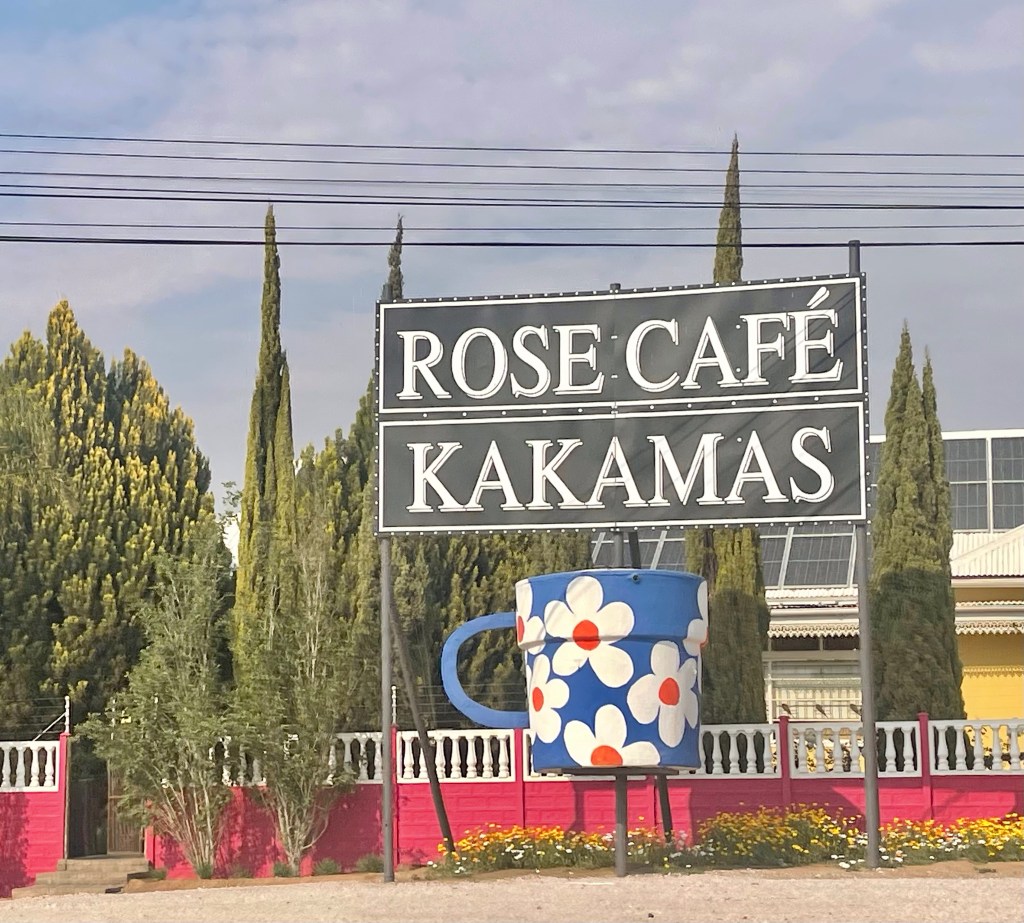
We passed through the pleasant and quirky towns of Keimos and Kakamas. The scenery was contrary to what we expected, it was not Namaqua scrub but green vineyards and palm trees. There were raisin packing plants in the towns, so clearly these were not wine farms. Raisin tasting is just not the same.
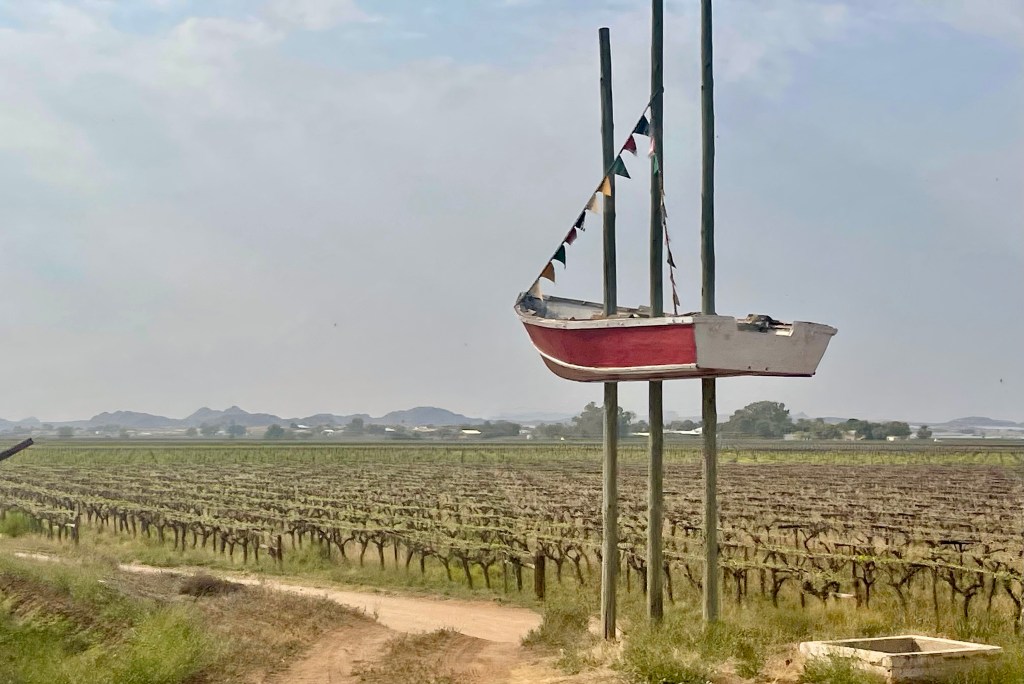
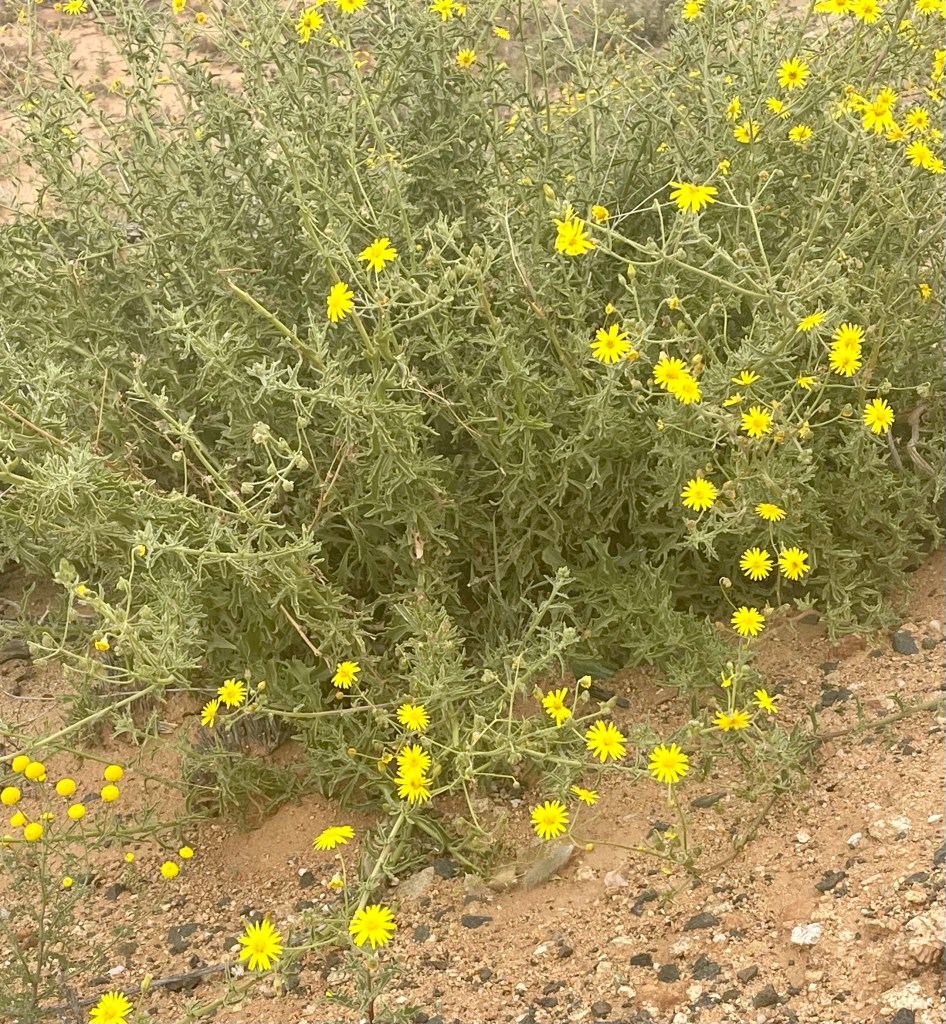
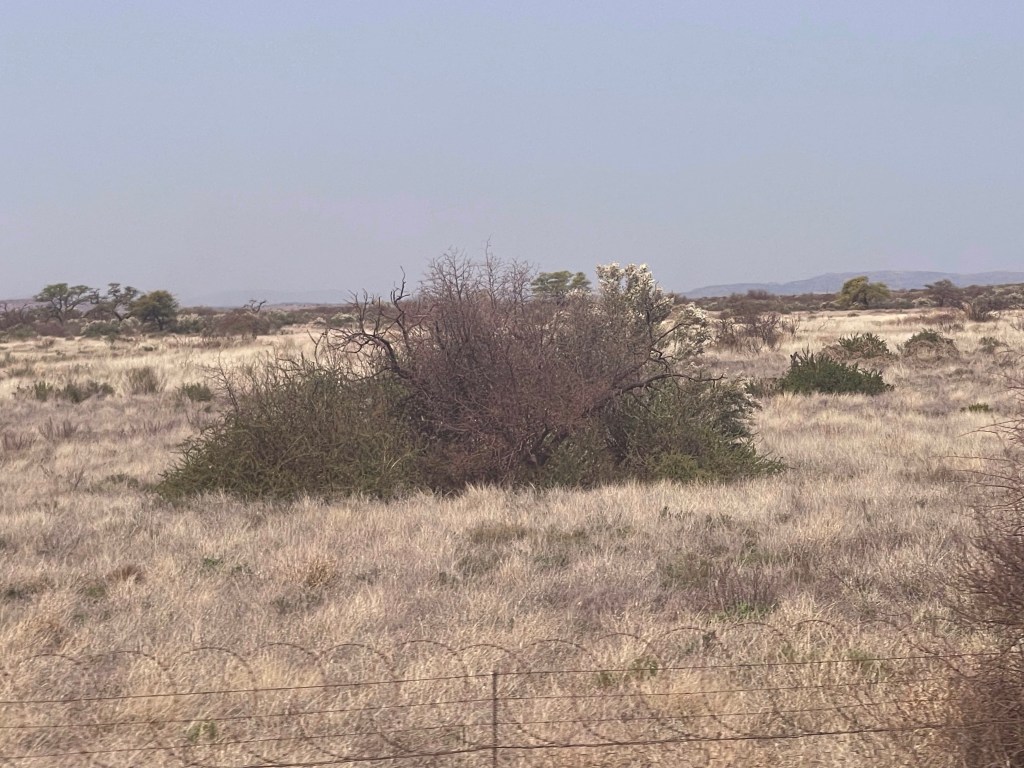
We continued to travel through towns with exotic names like Pofadder, the Gamsberg zinc mine, Springbok and Okiep. The Namaqualand scenery is stark and beautiful. We were fortunate to see the end of flower season.

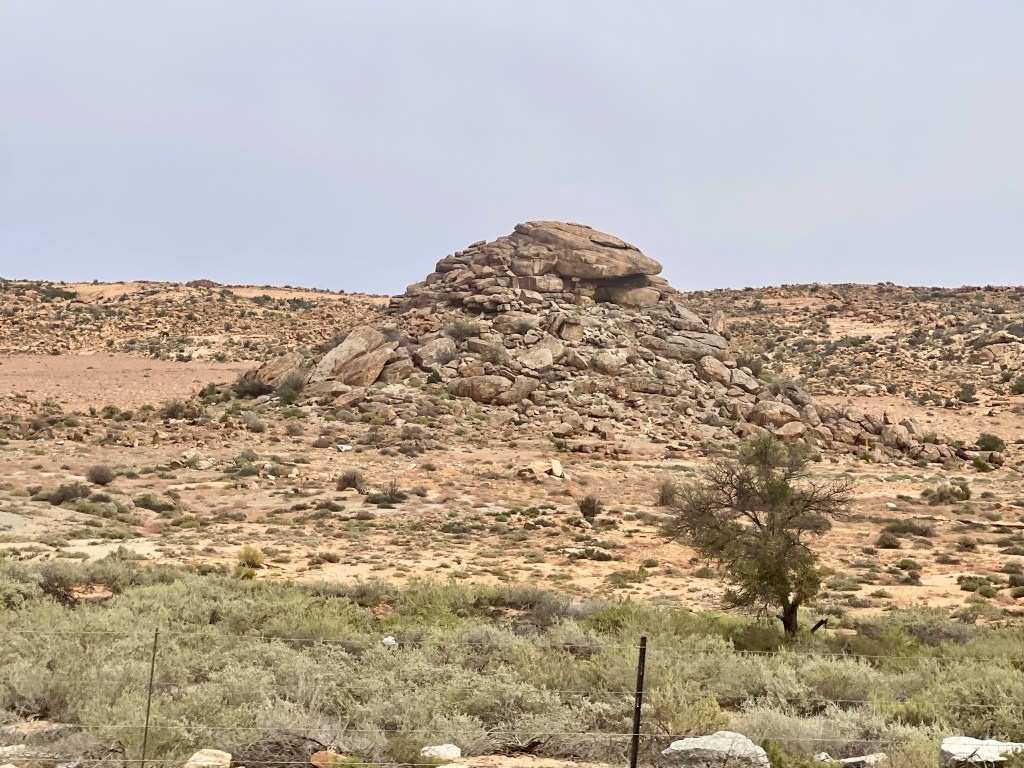
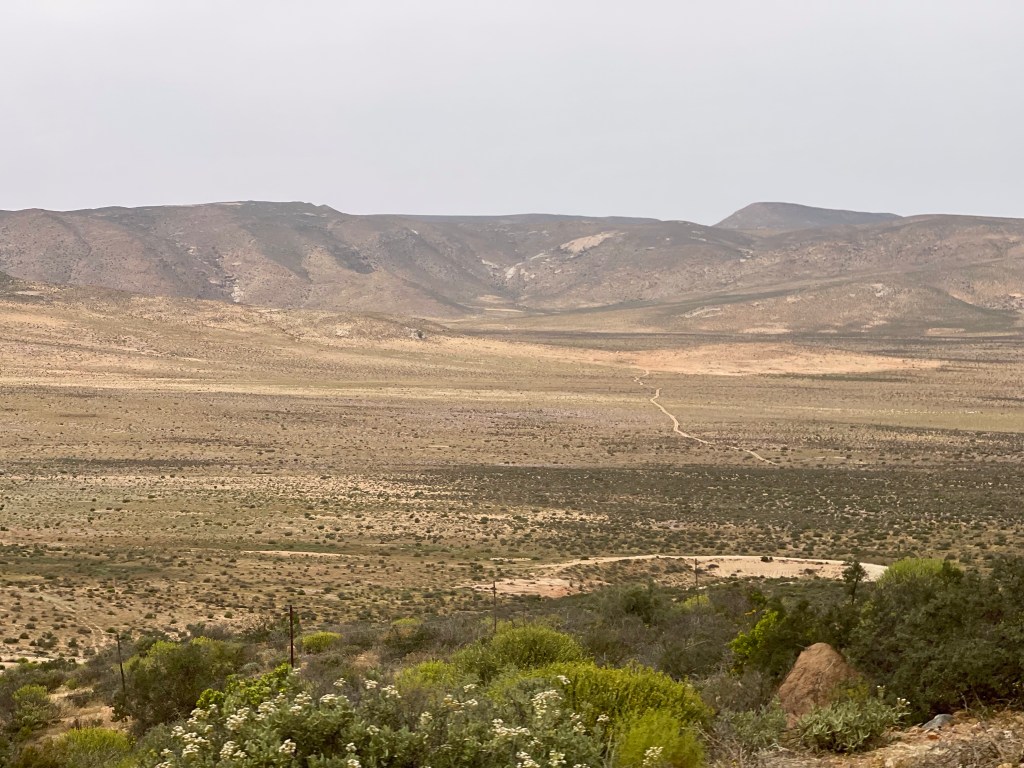
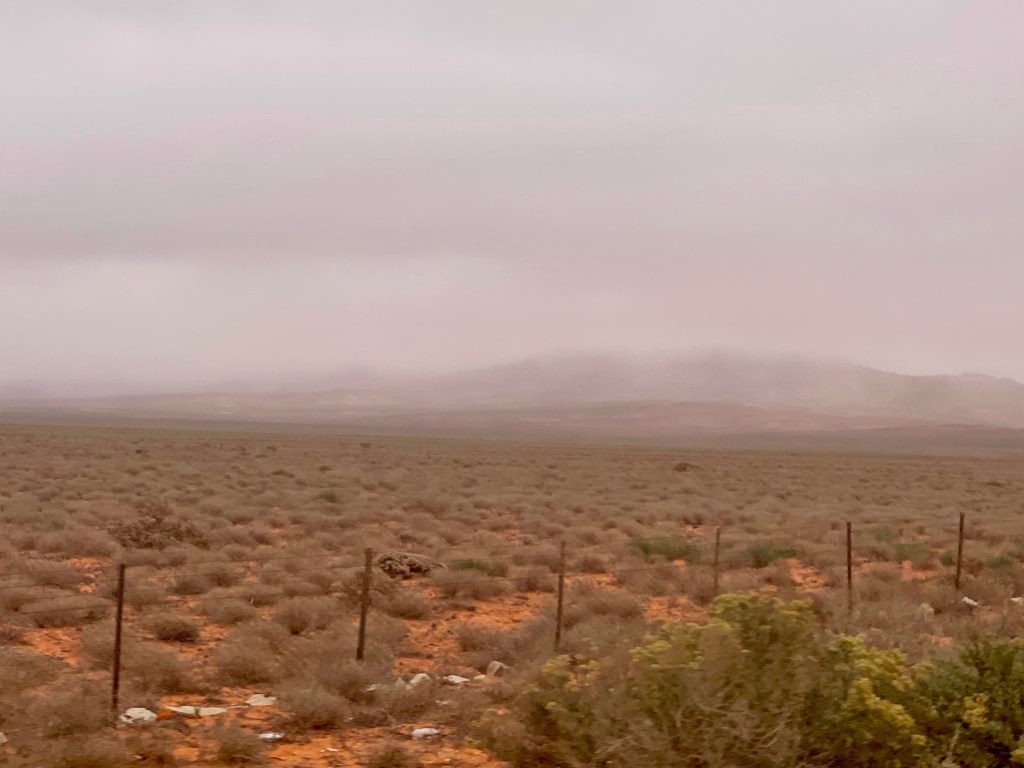
About 20km out of Port Nolloth the clouds and mist from the Atlantic Ocean rolled in and the temperature plummeted.

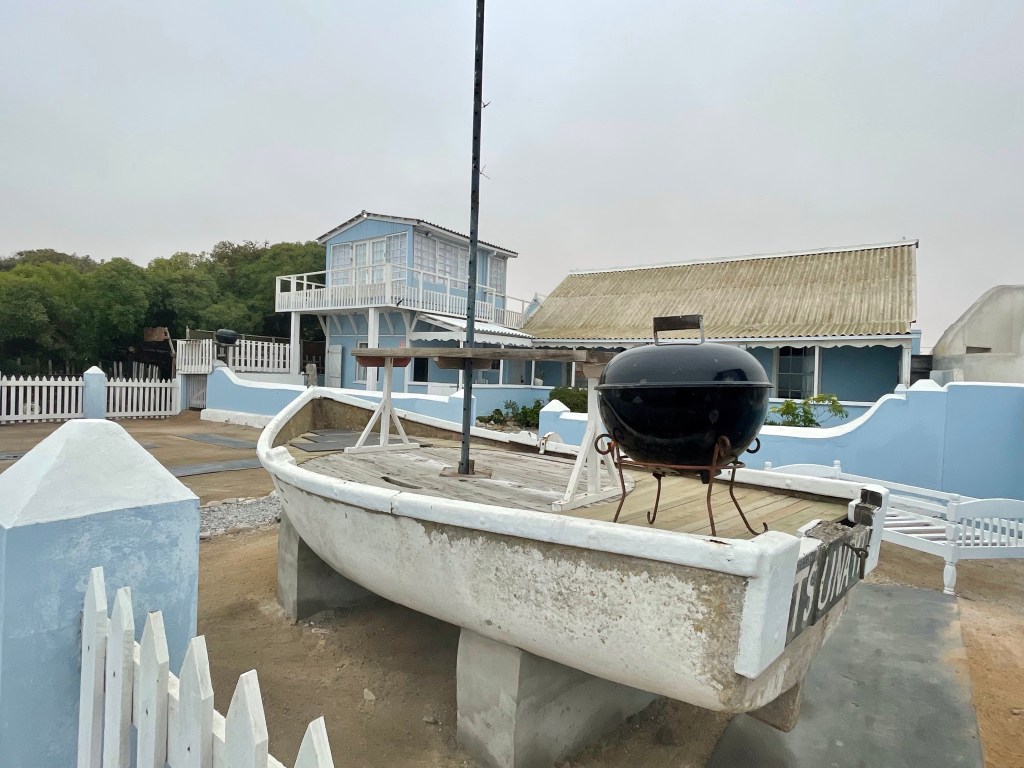
Port Nolloth has long been a family favourite. Our first stay here was some 20 years ago. After a couple of weeks in Southern Namibia the children were so excited to see the sea and, even though it was the middle of winter, decided they had to go for a swim. Gareth and Kirsty, after dipping their toes in, decided it was far too cold. Robs, who was 5 at the time, plunged into the freezing Atlantic and we dragged her out half an hour later, shivering and full of big red welts, and back to the cottage for a hot bath.
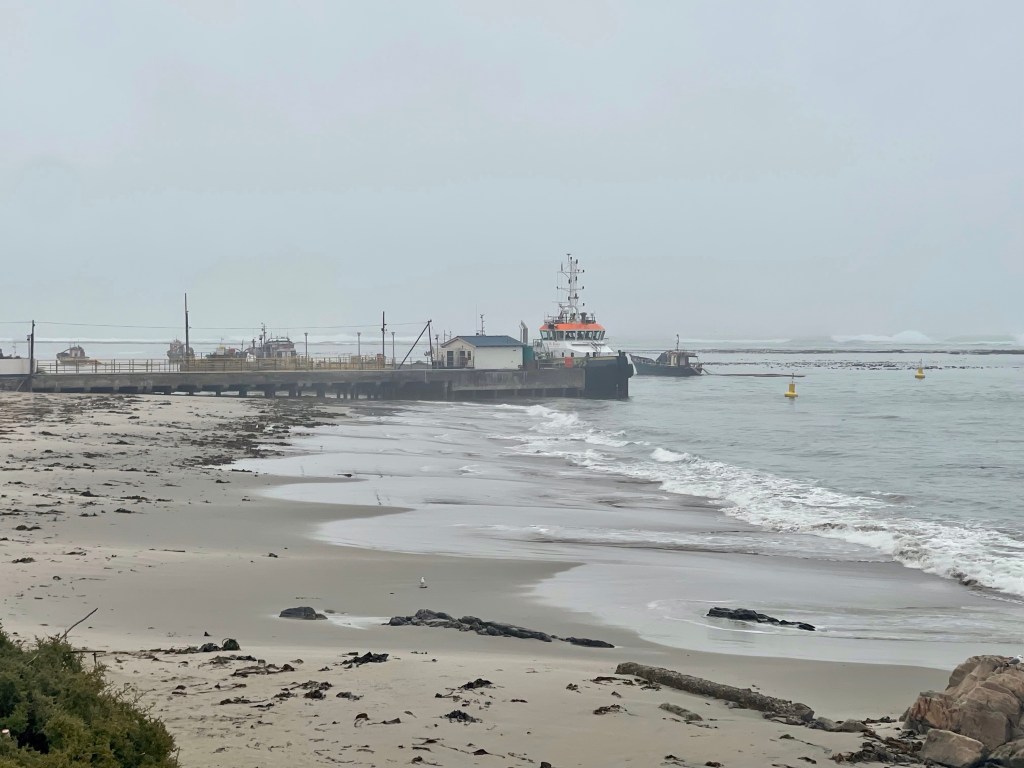
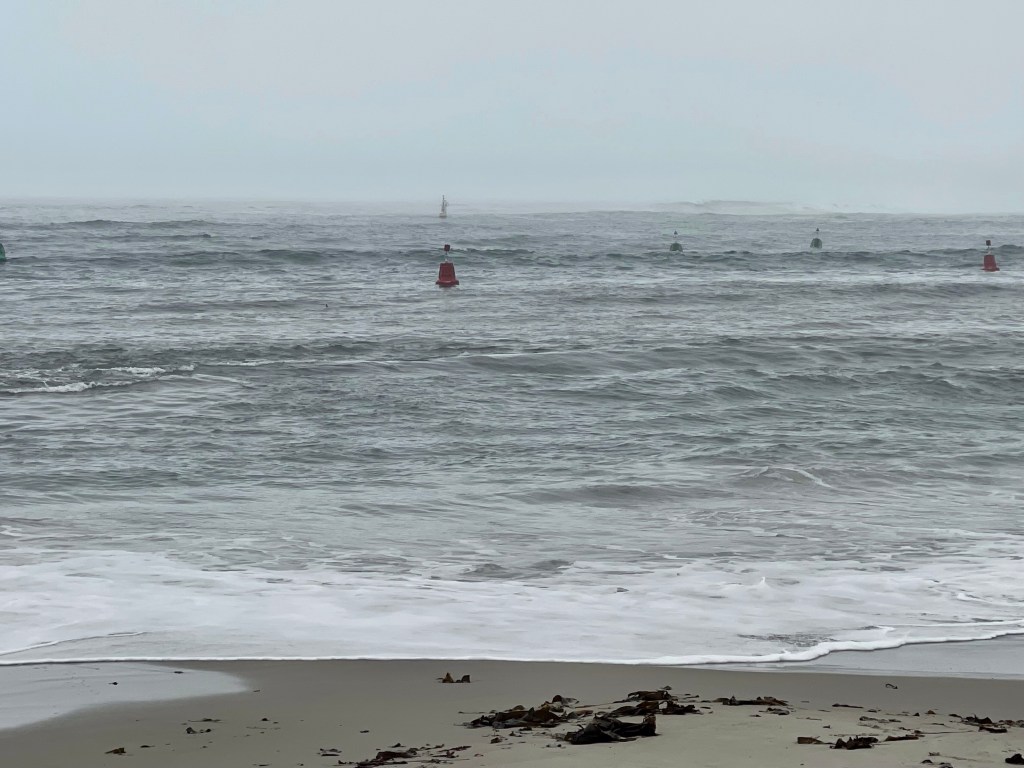
Sadly Covid has taken its toll on the town and some of the little fish restaurants have closed down. We did find the town’s coffee shop and enjoy a hot chocolate to warm us up in the bitter cold.
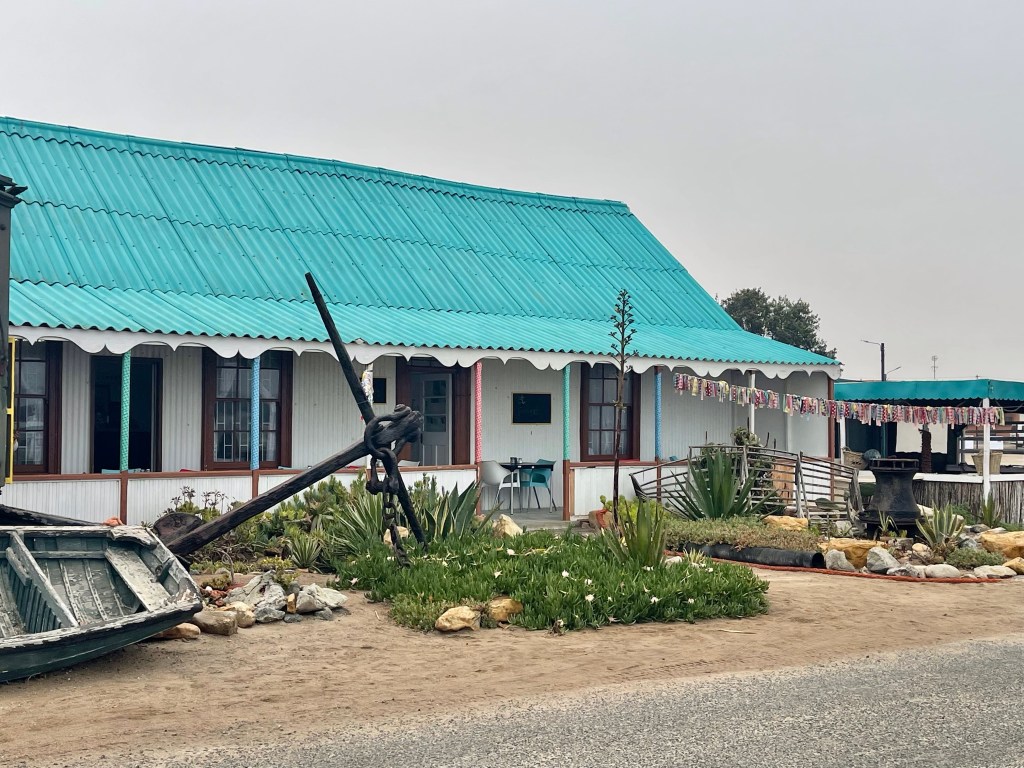

Port Nolloth was established in the 1850 as a small vessel harbour for the Copper mines but proved unsuitable and today is a fishing village with a cluster of seaside cottages. We are staying in one of these cottages, called the Beach Shack







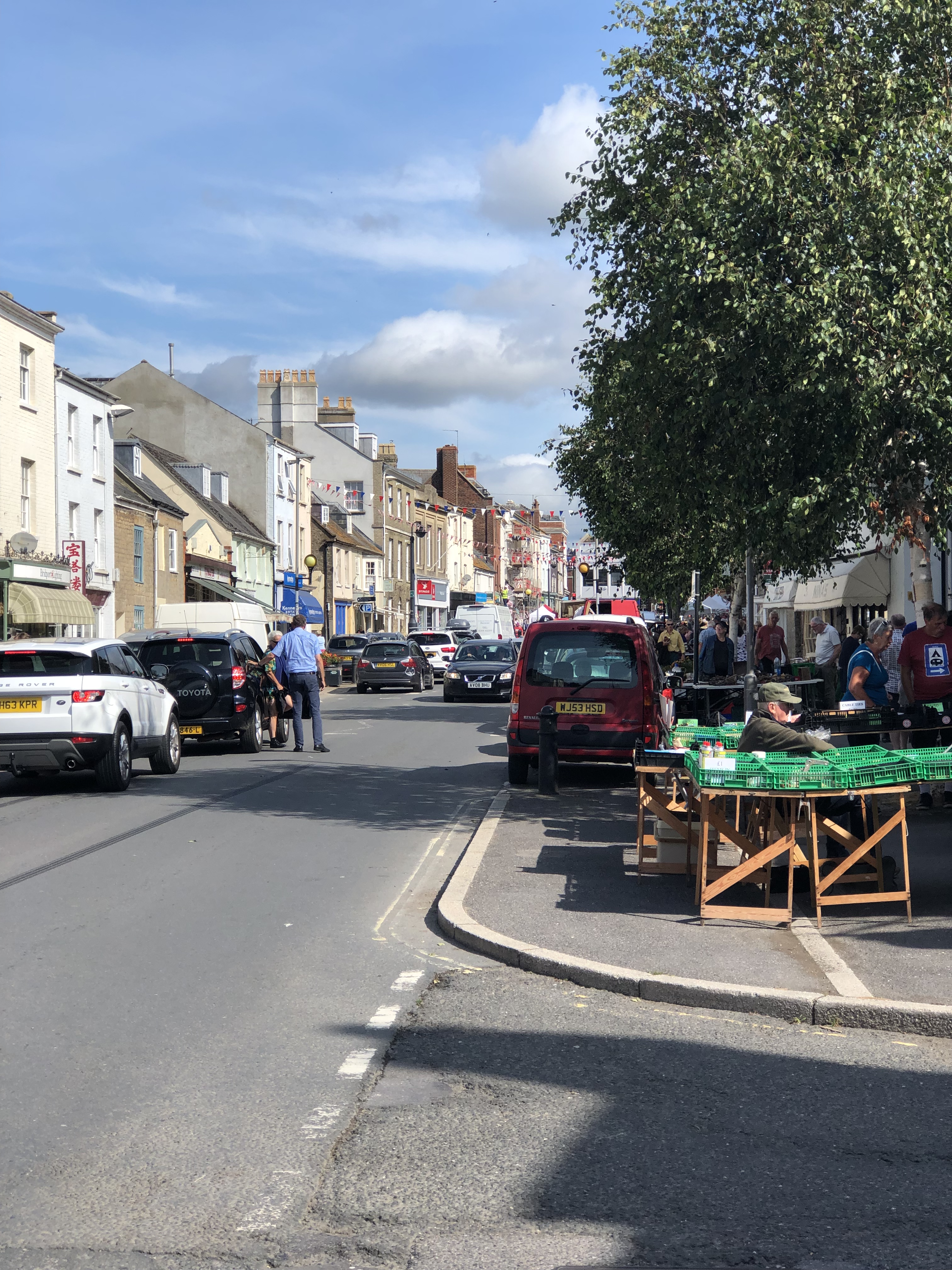
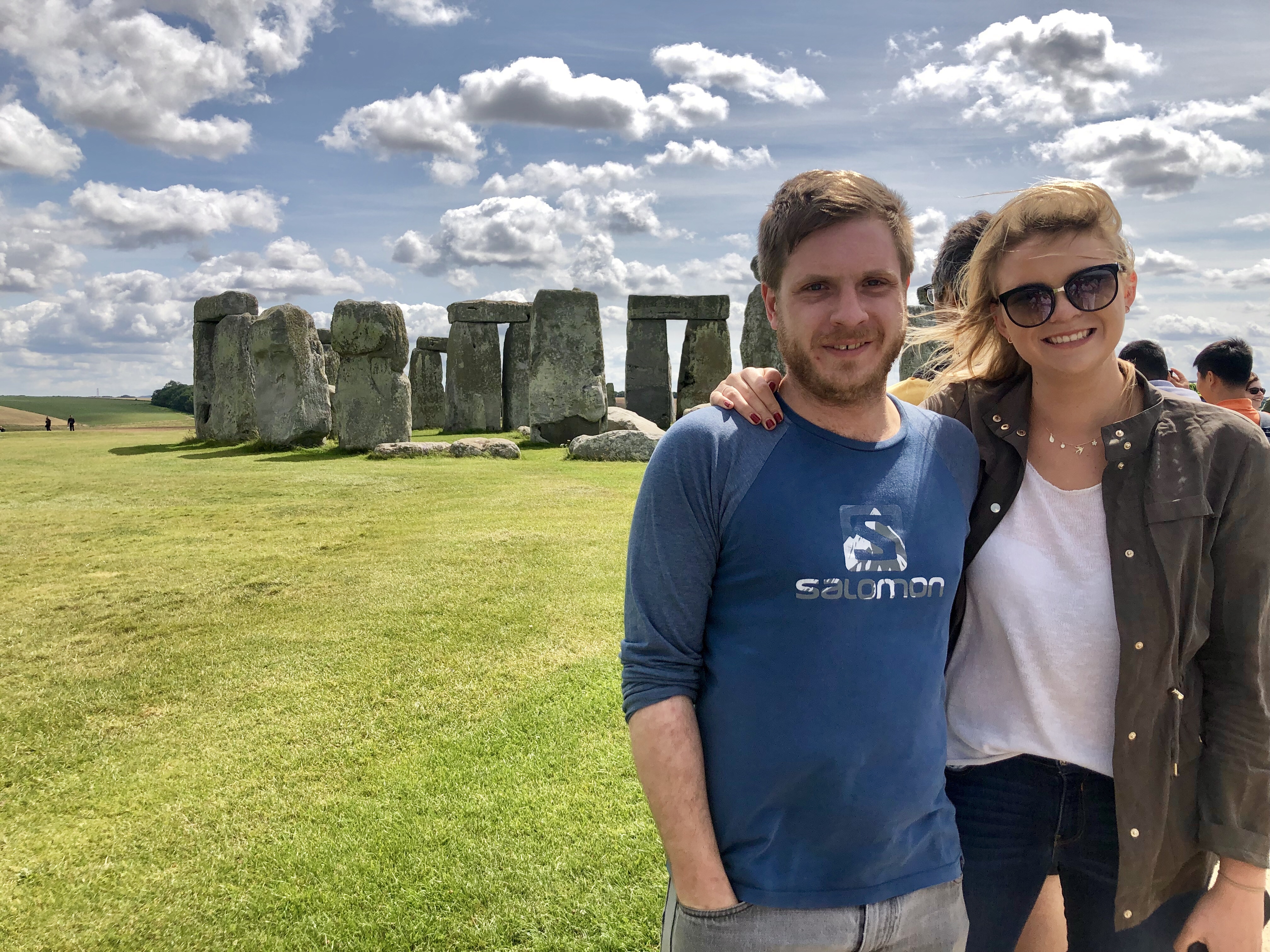
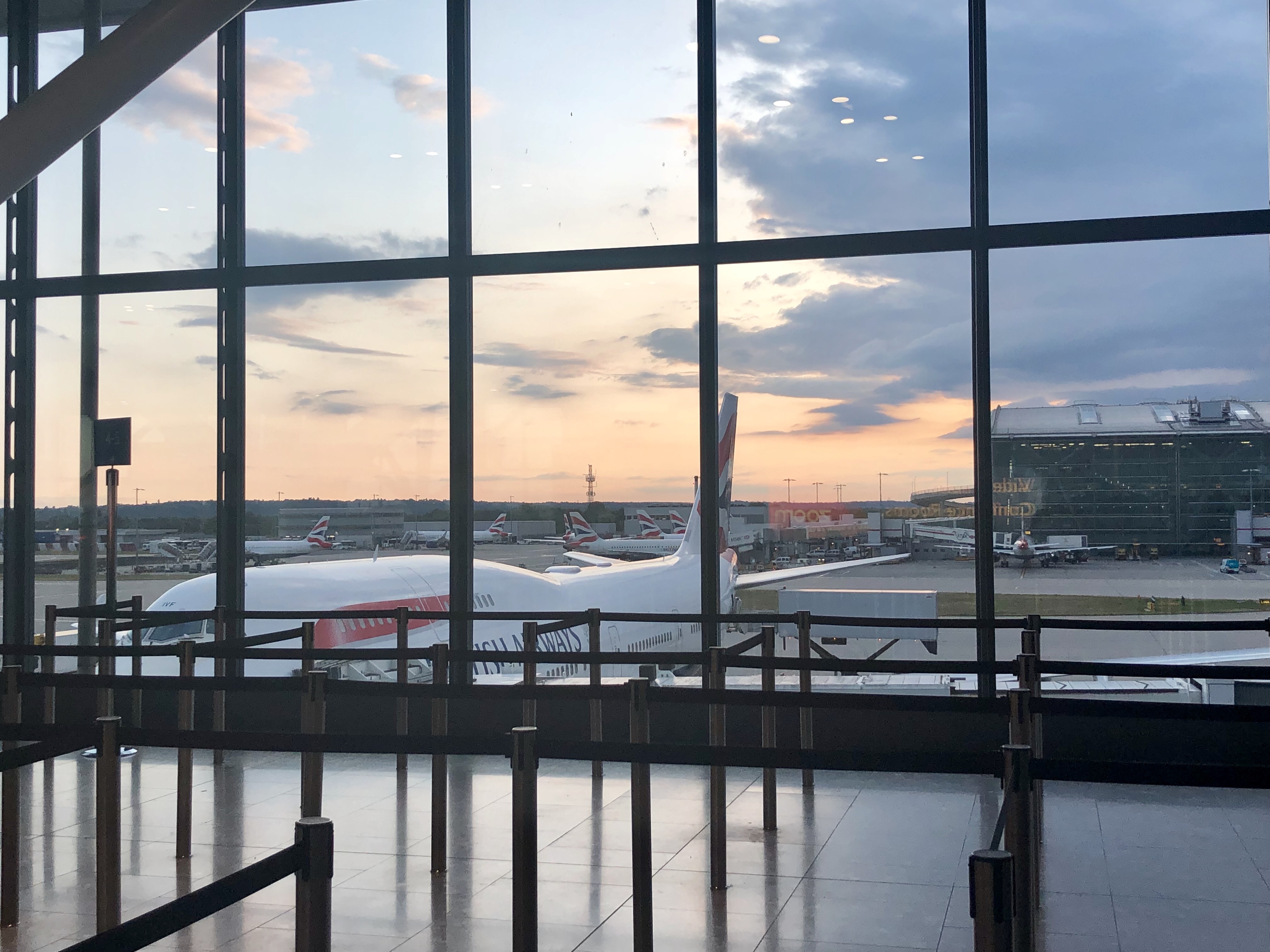
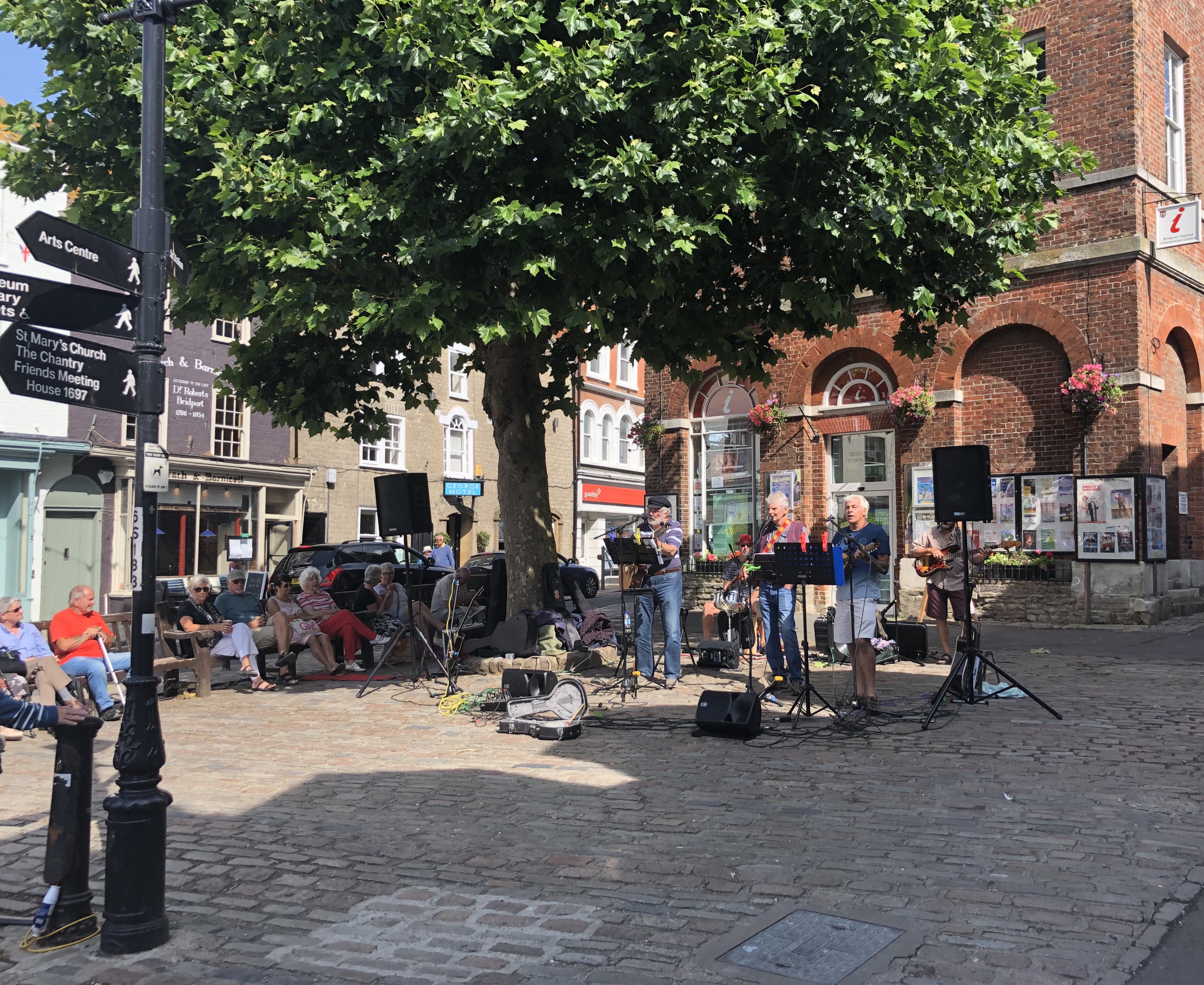 After wondering around the markets we set off for the first leg of our journey home, stopping off at Stonehenge on our way to Heathrow.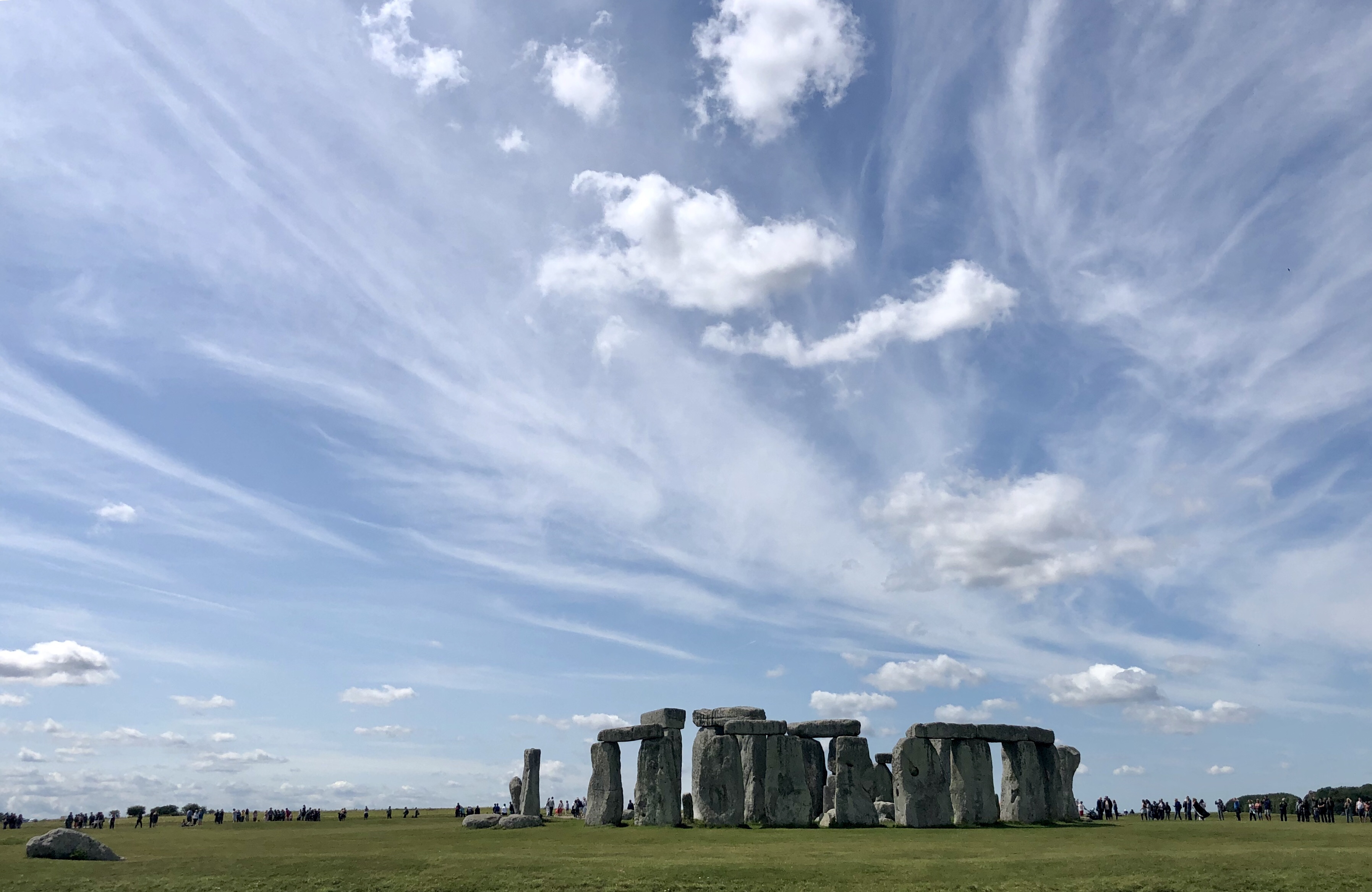


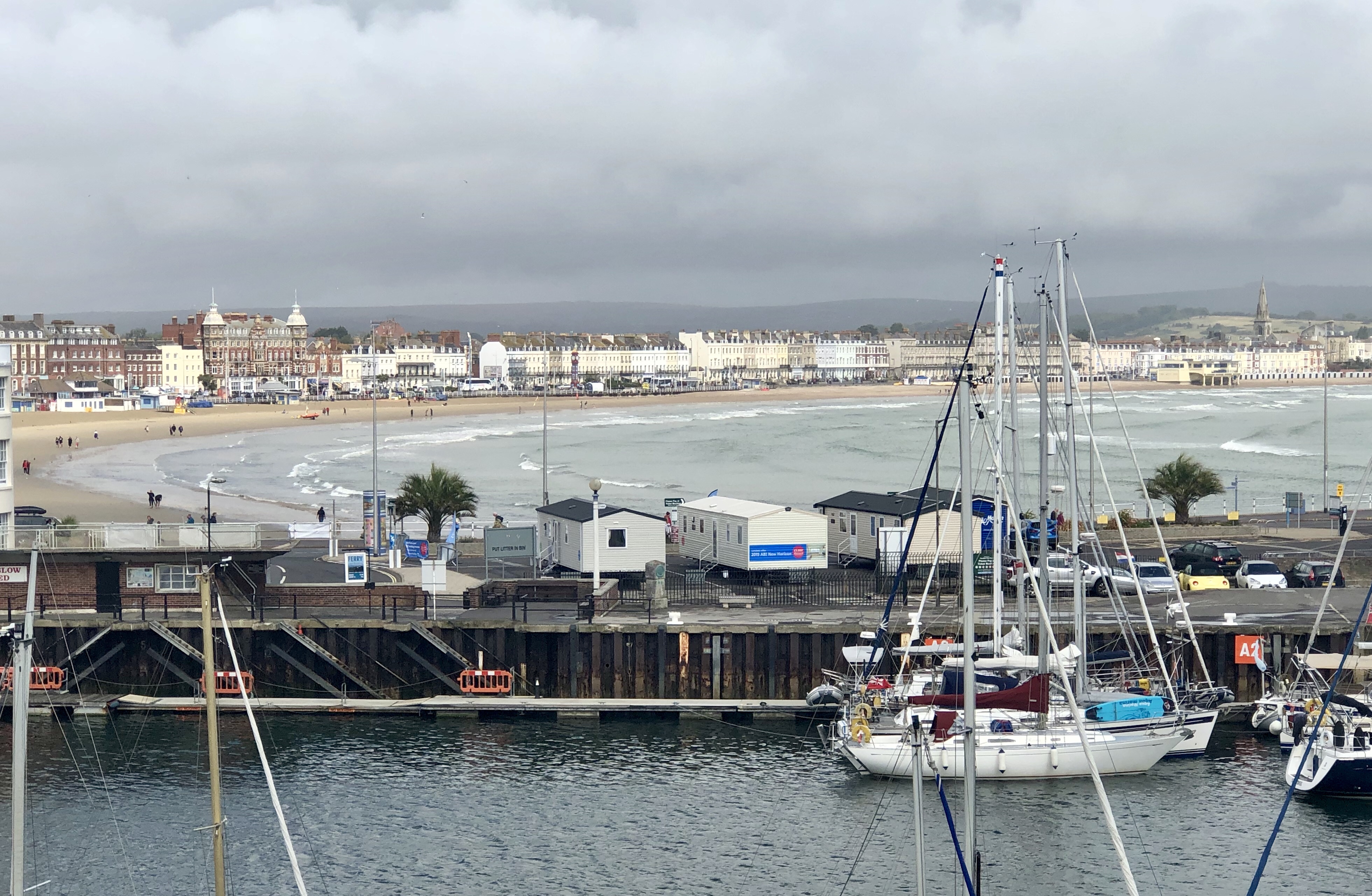

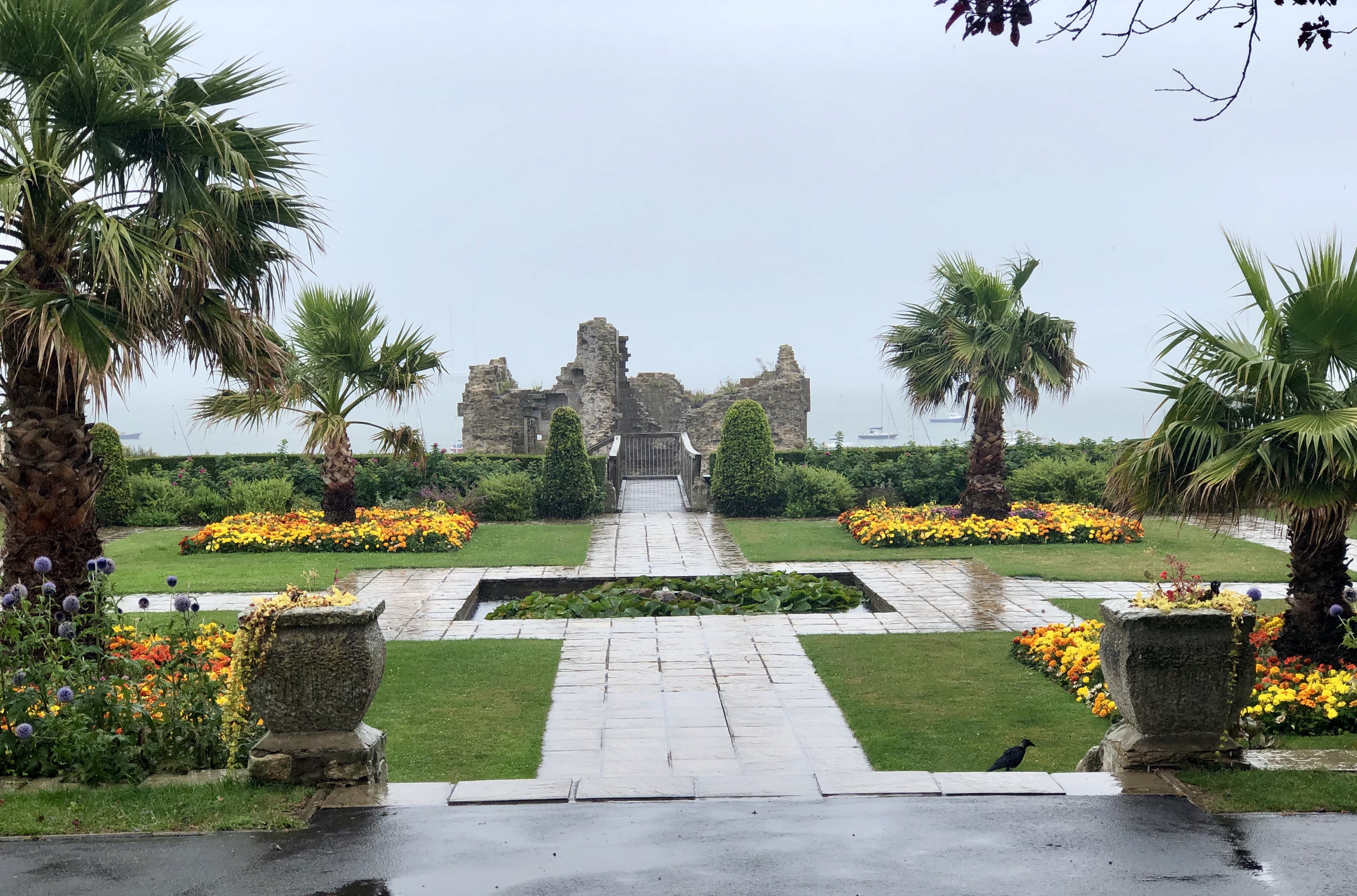
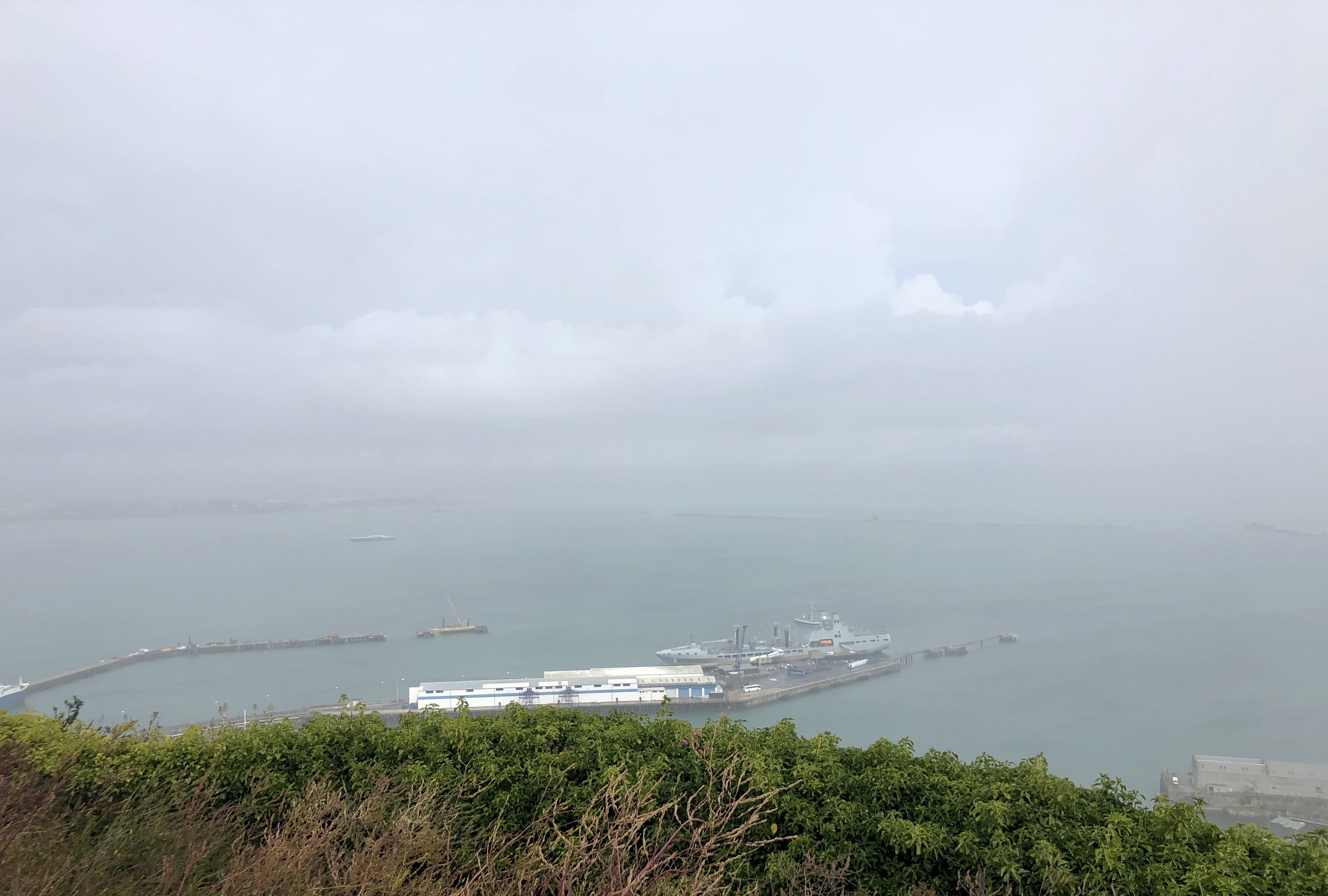
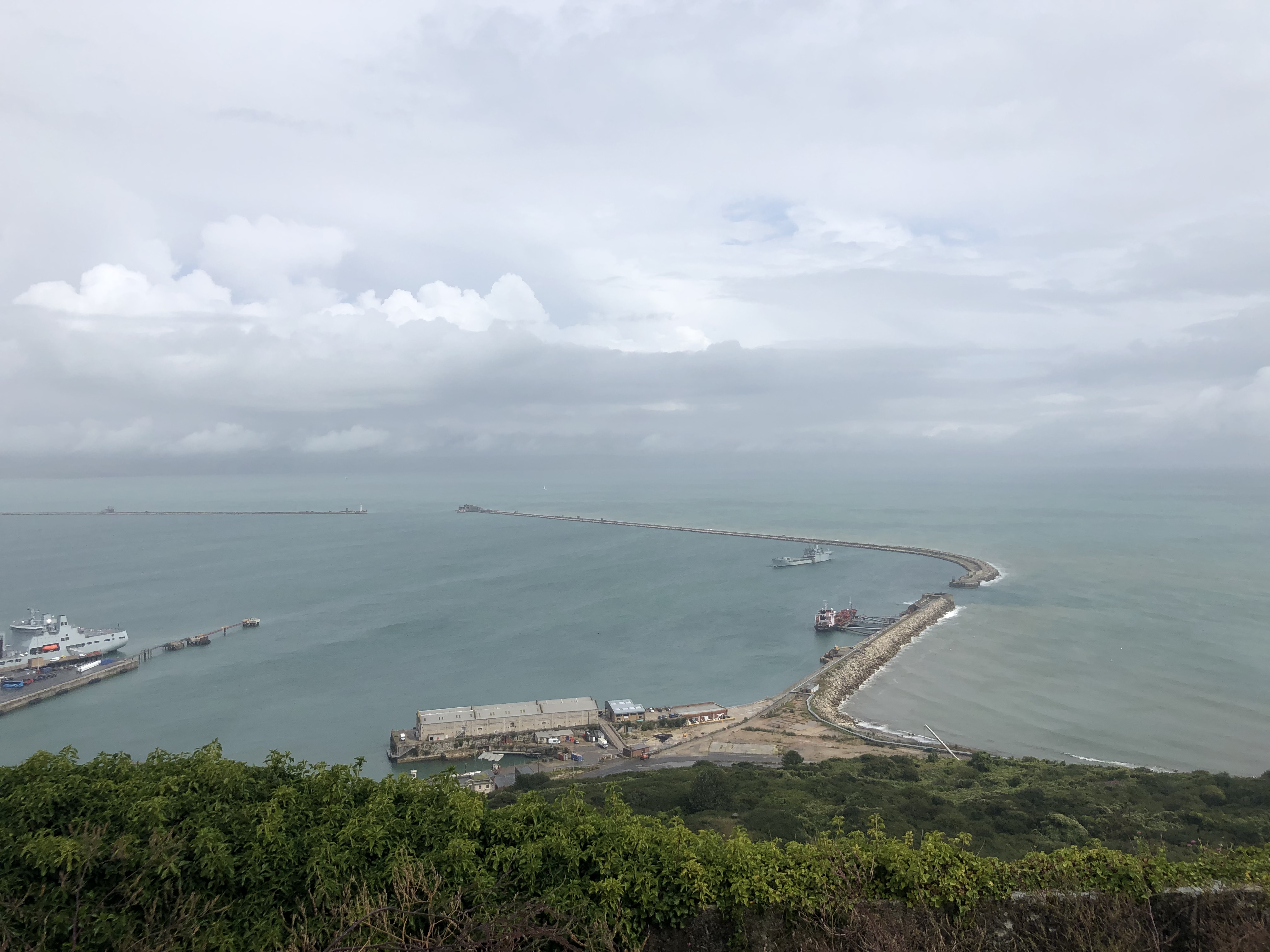


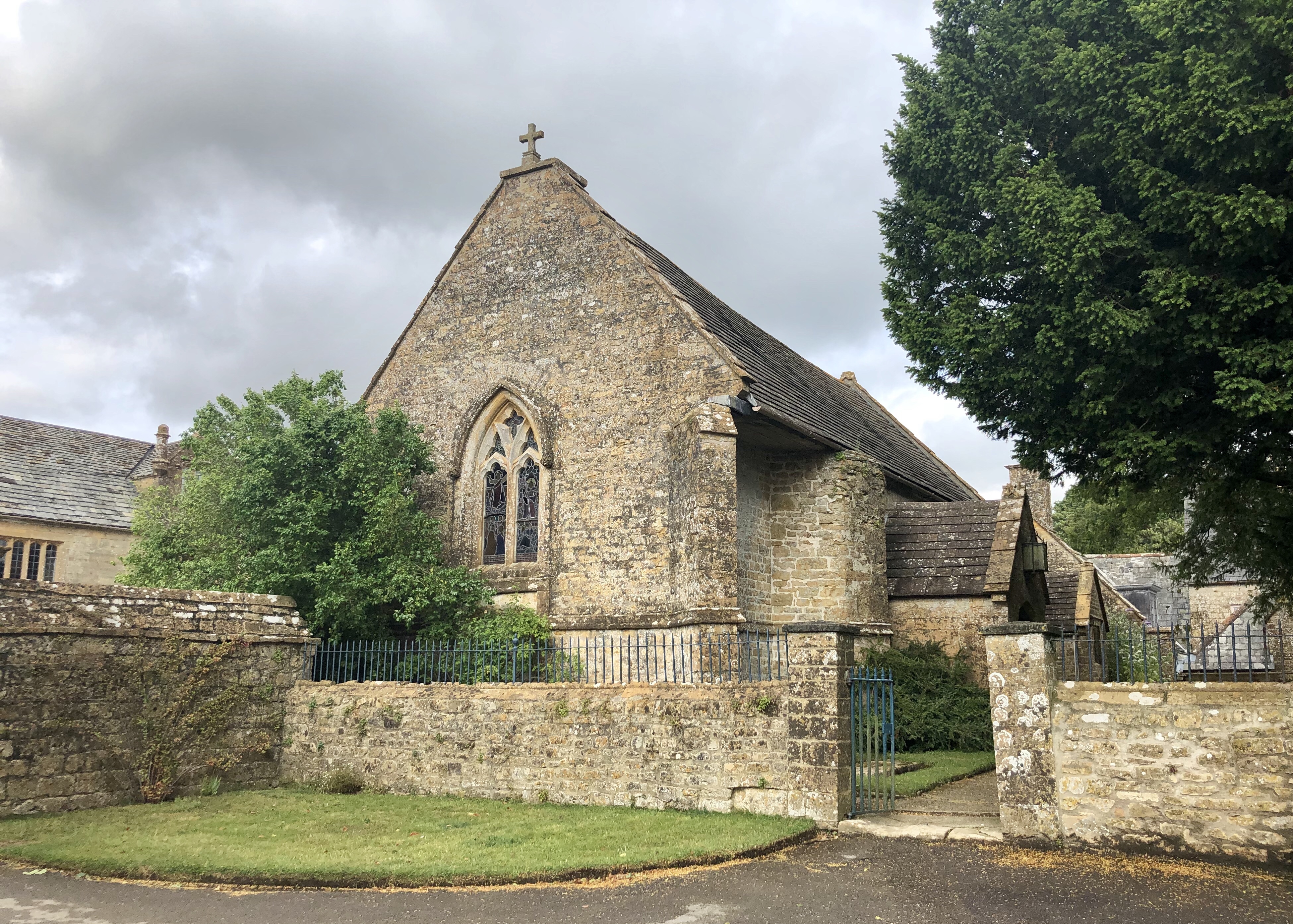
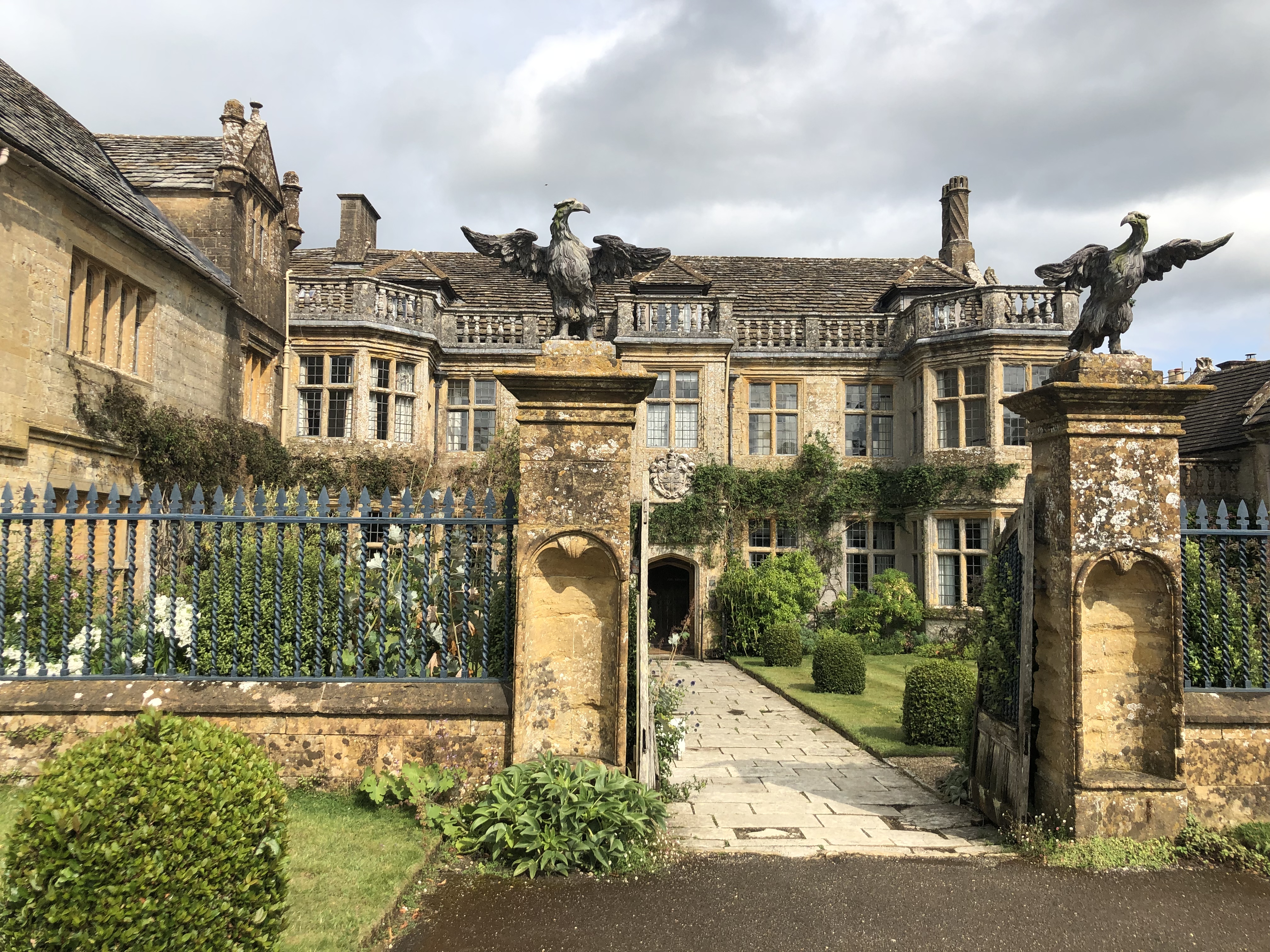
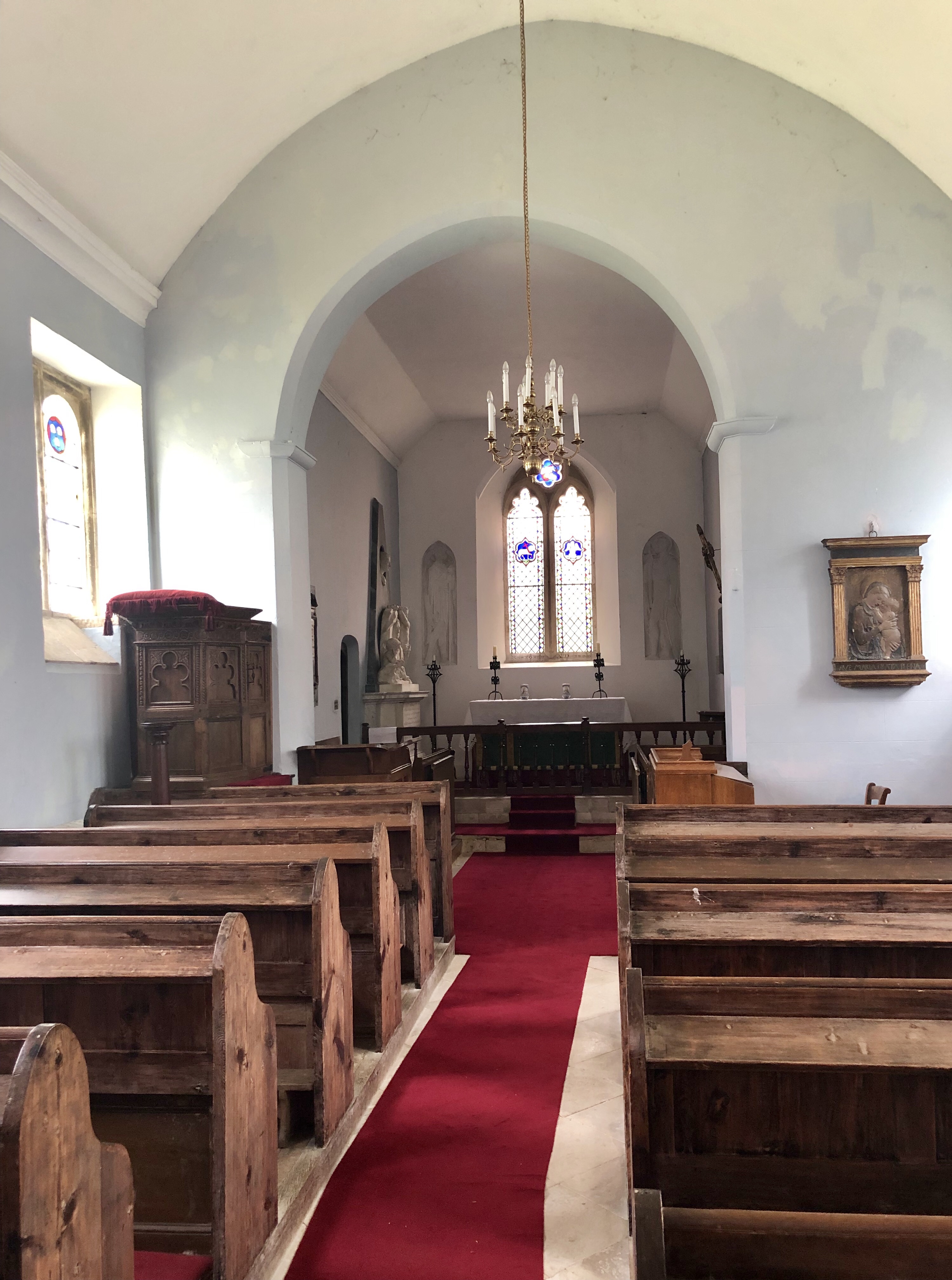
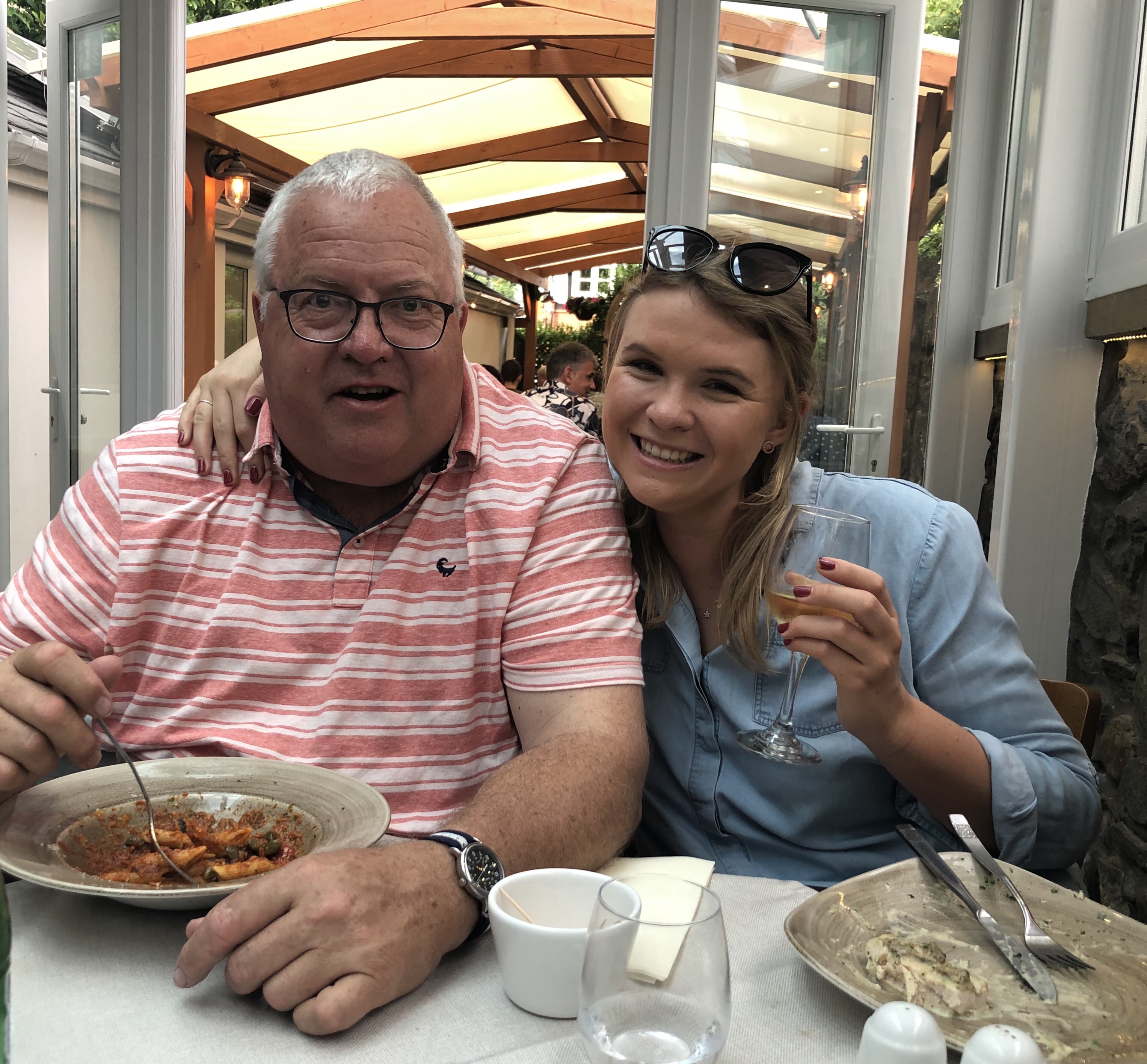
 Our last night in the England, we finished off our special trip with delicious curry, one of UK’s favourite dishes at a delightful Indian restaurant next to our hotel.



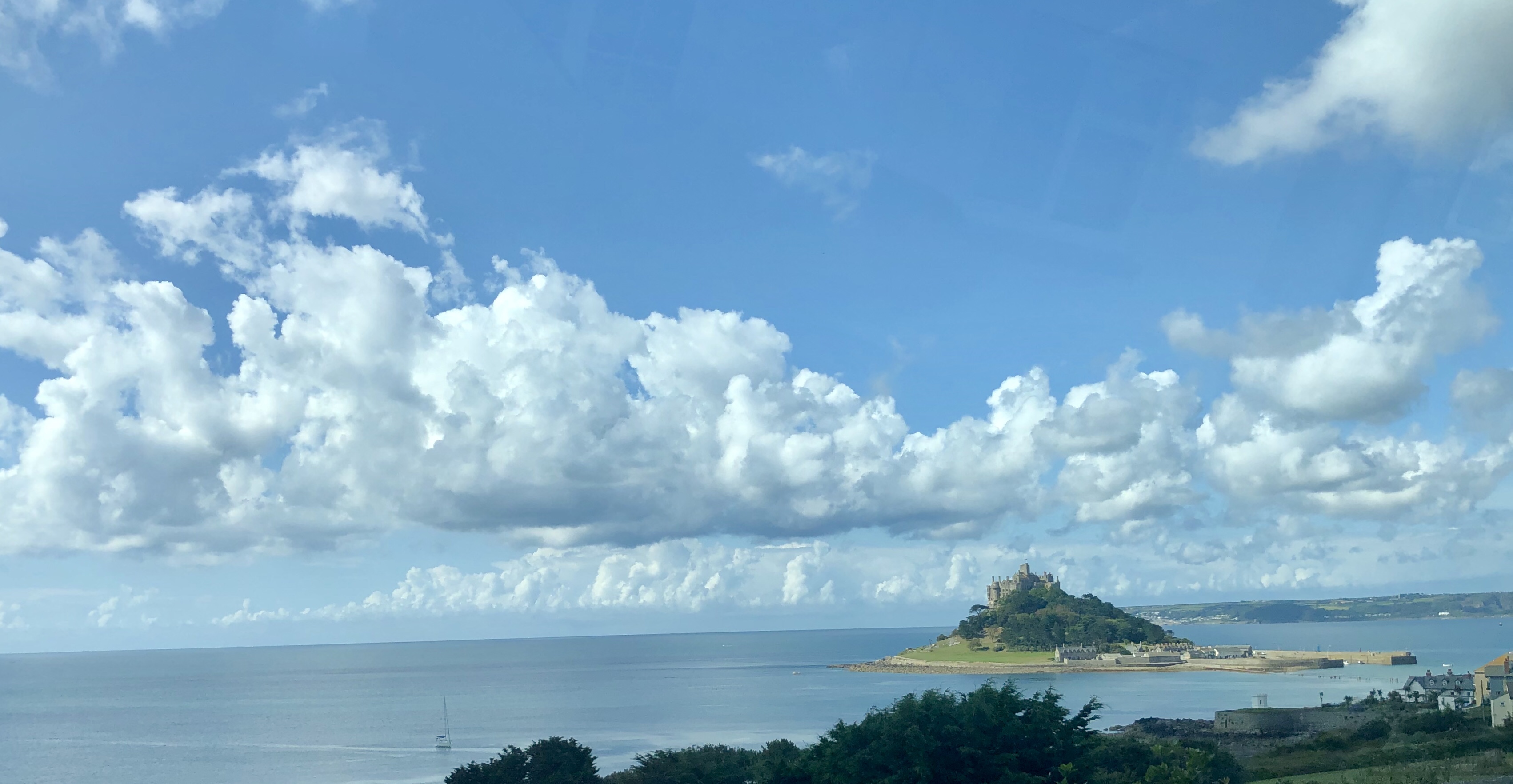
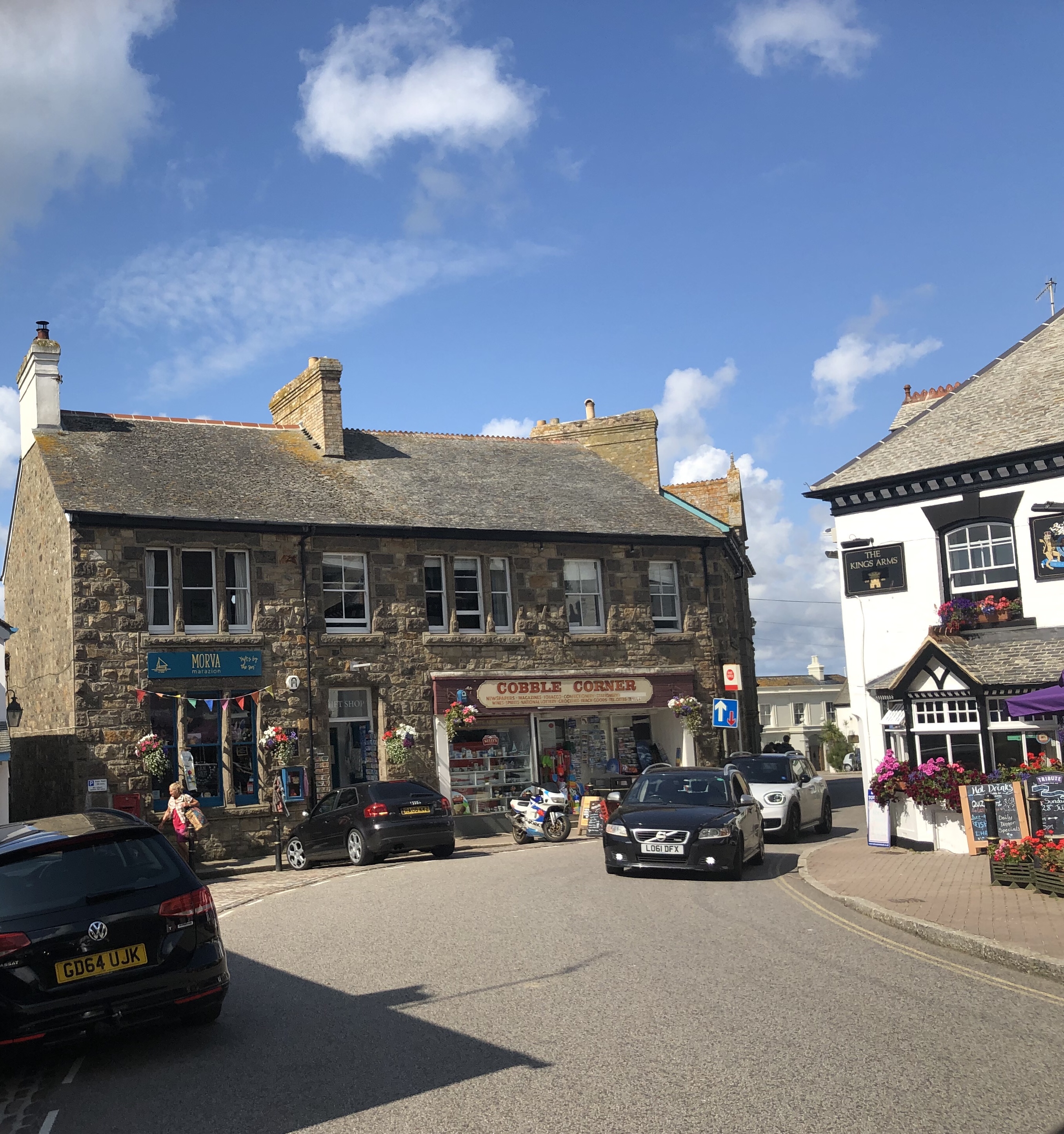


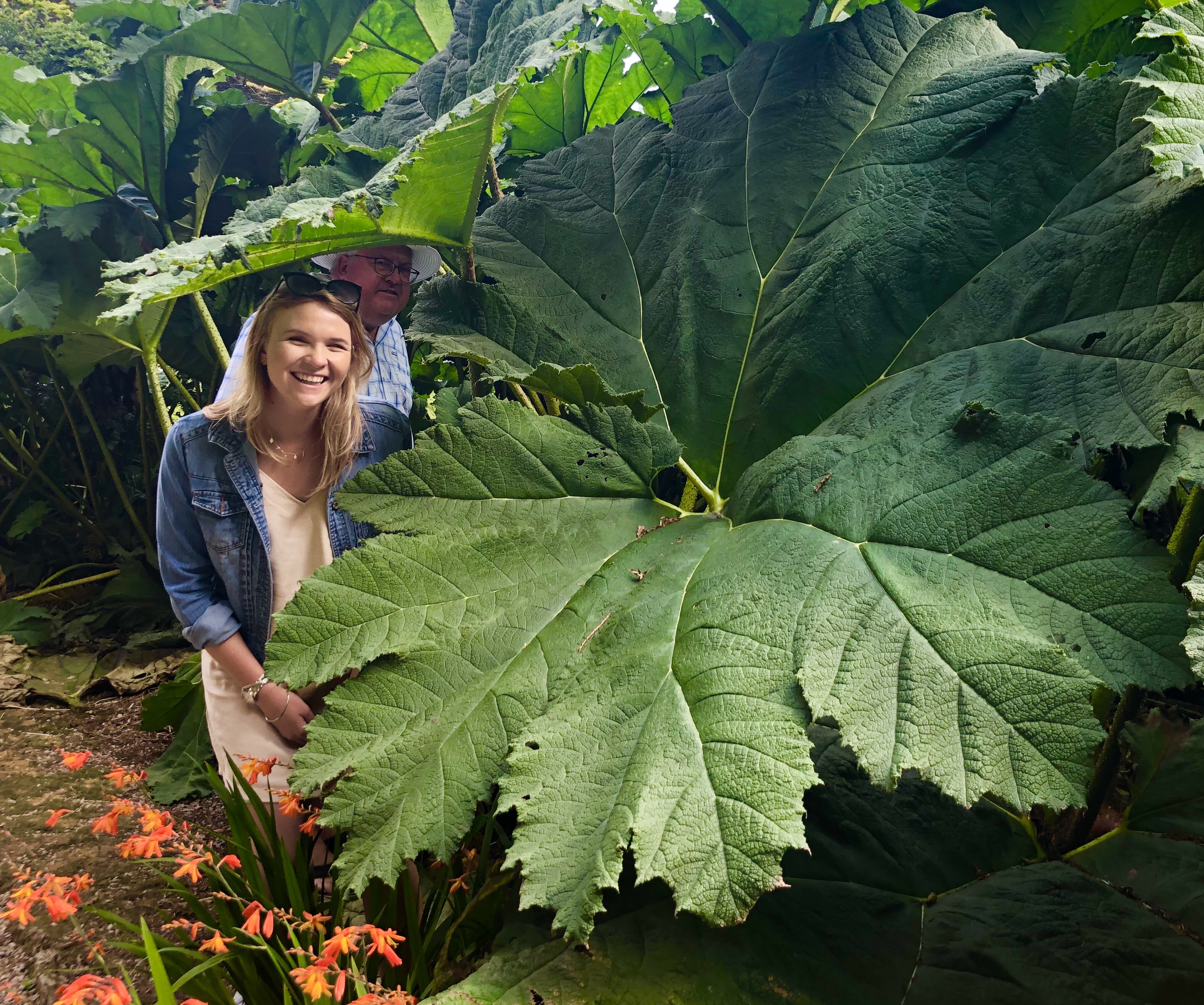

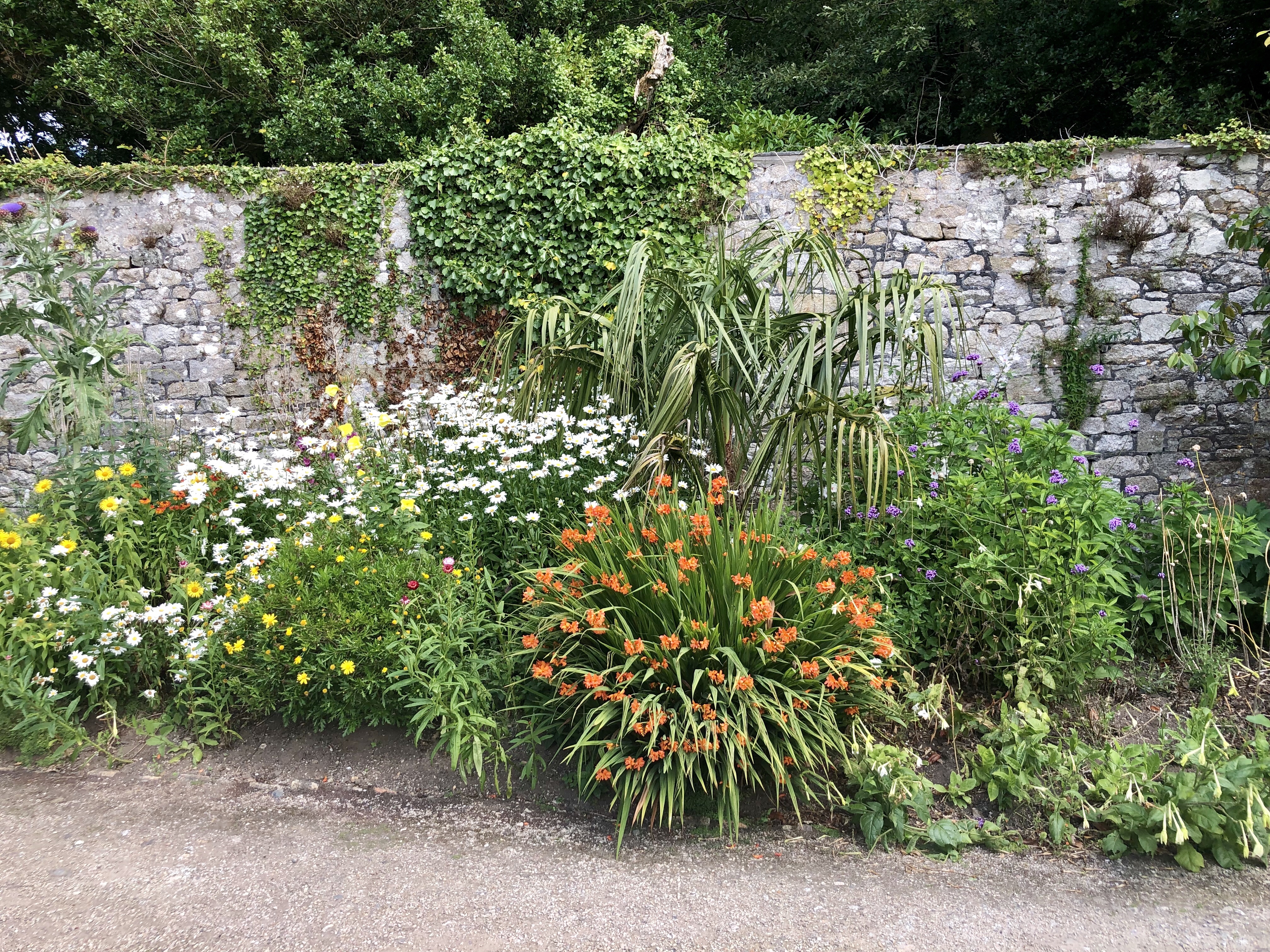

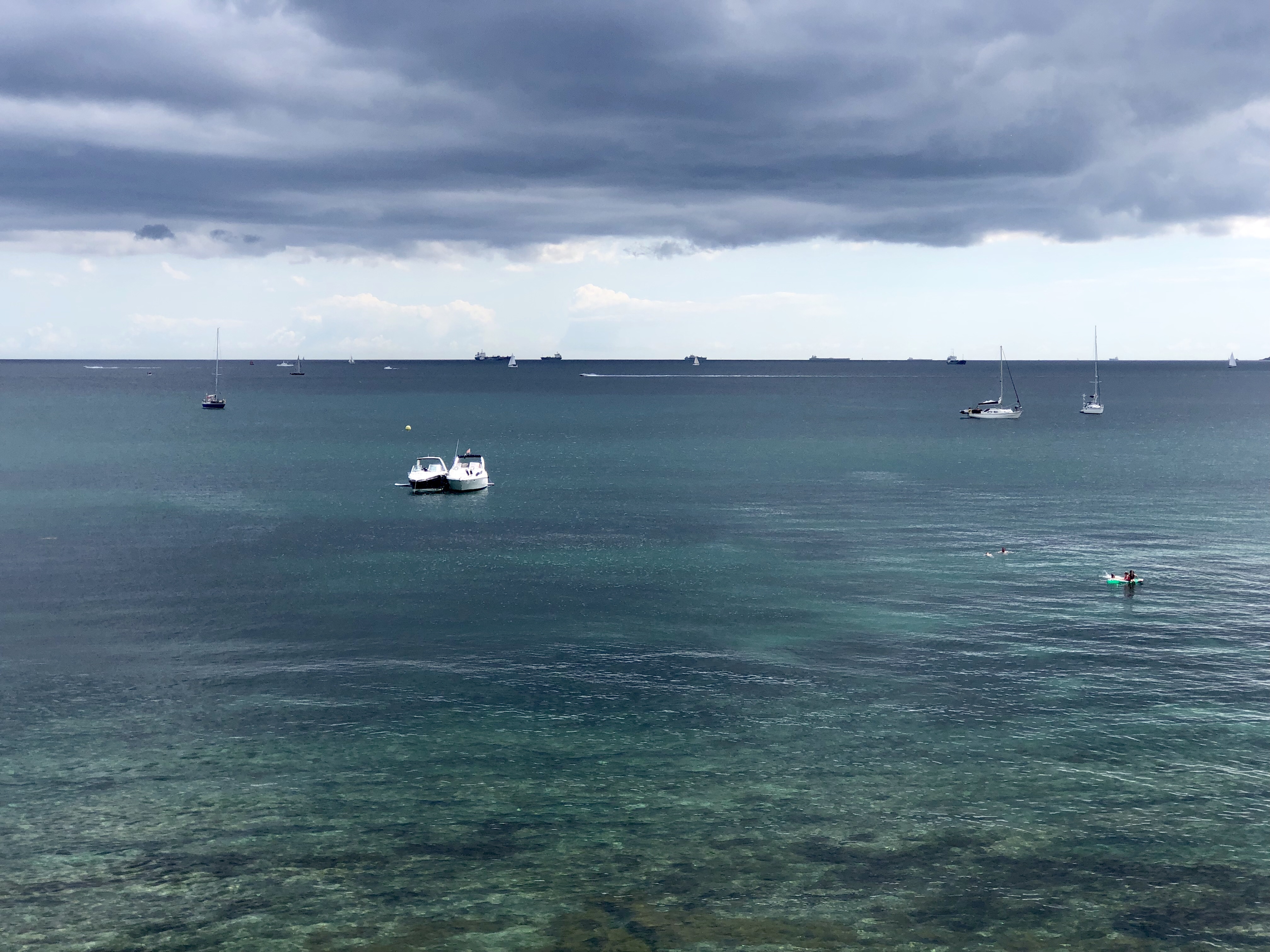
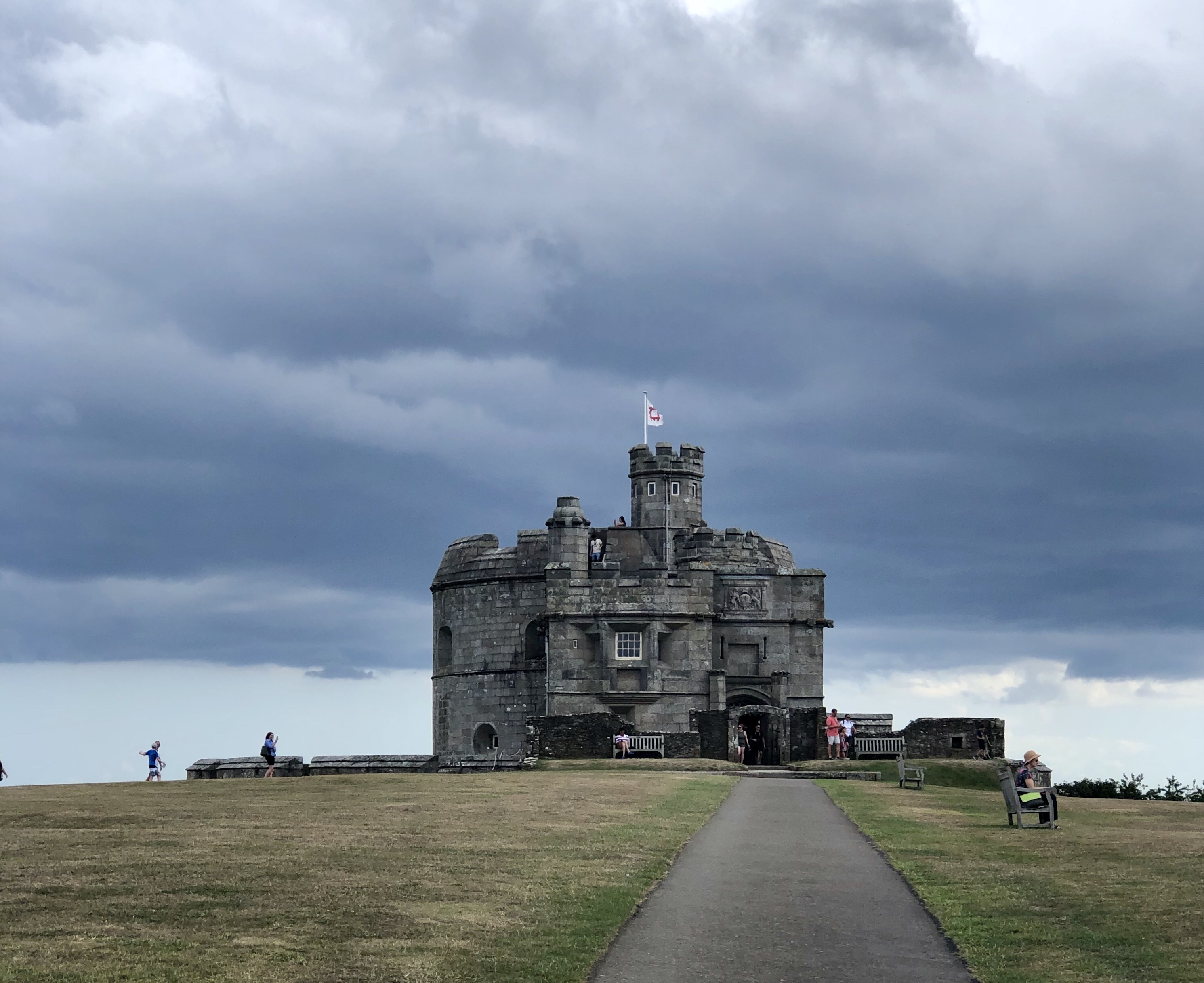
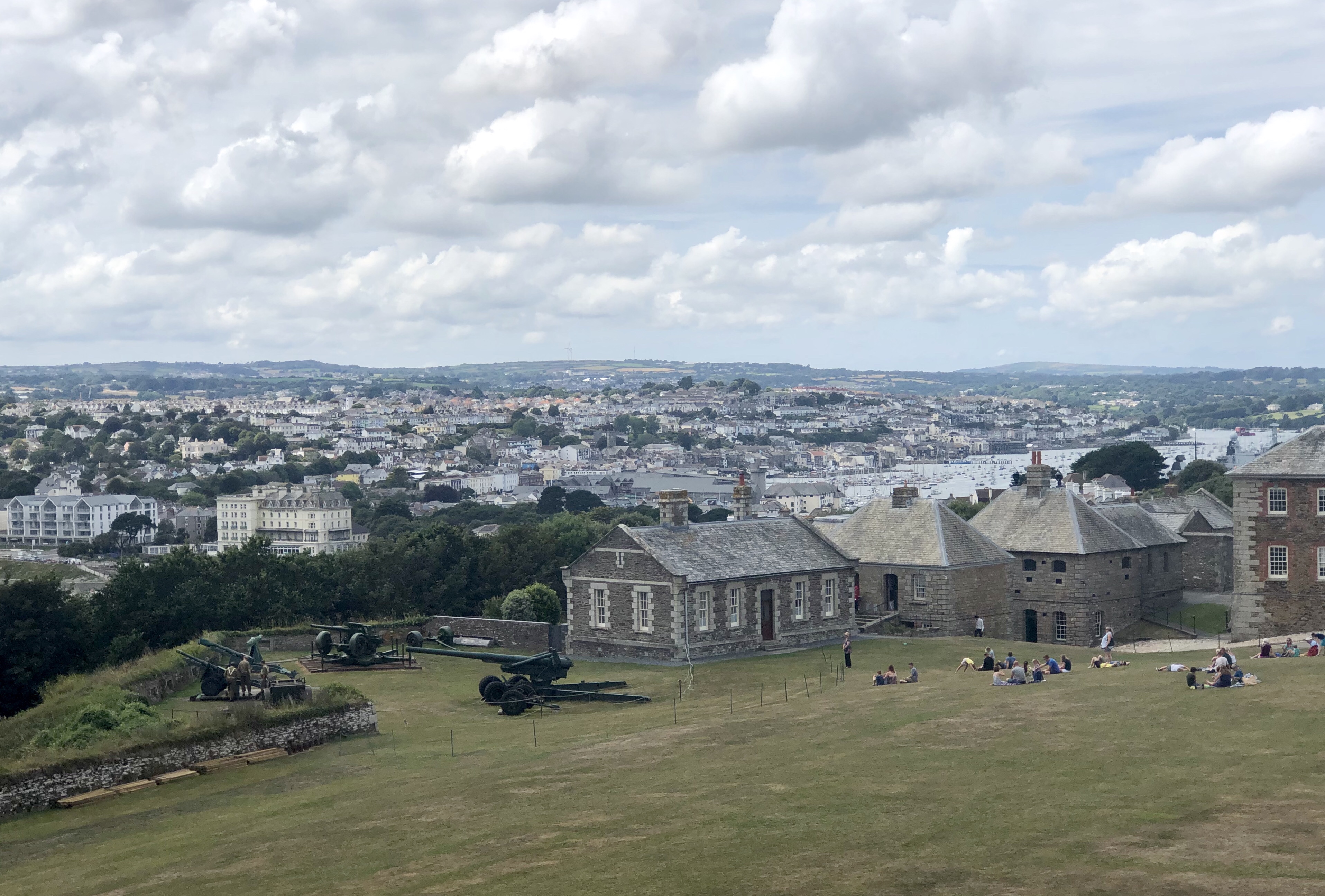
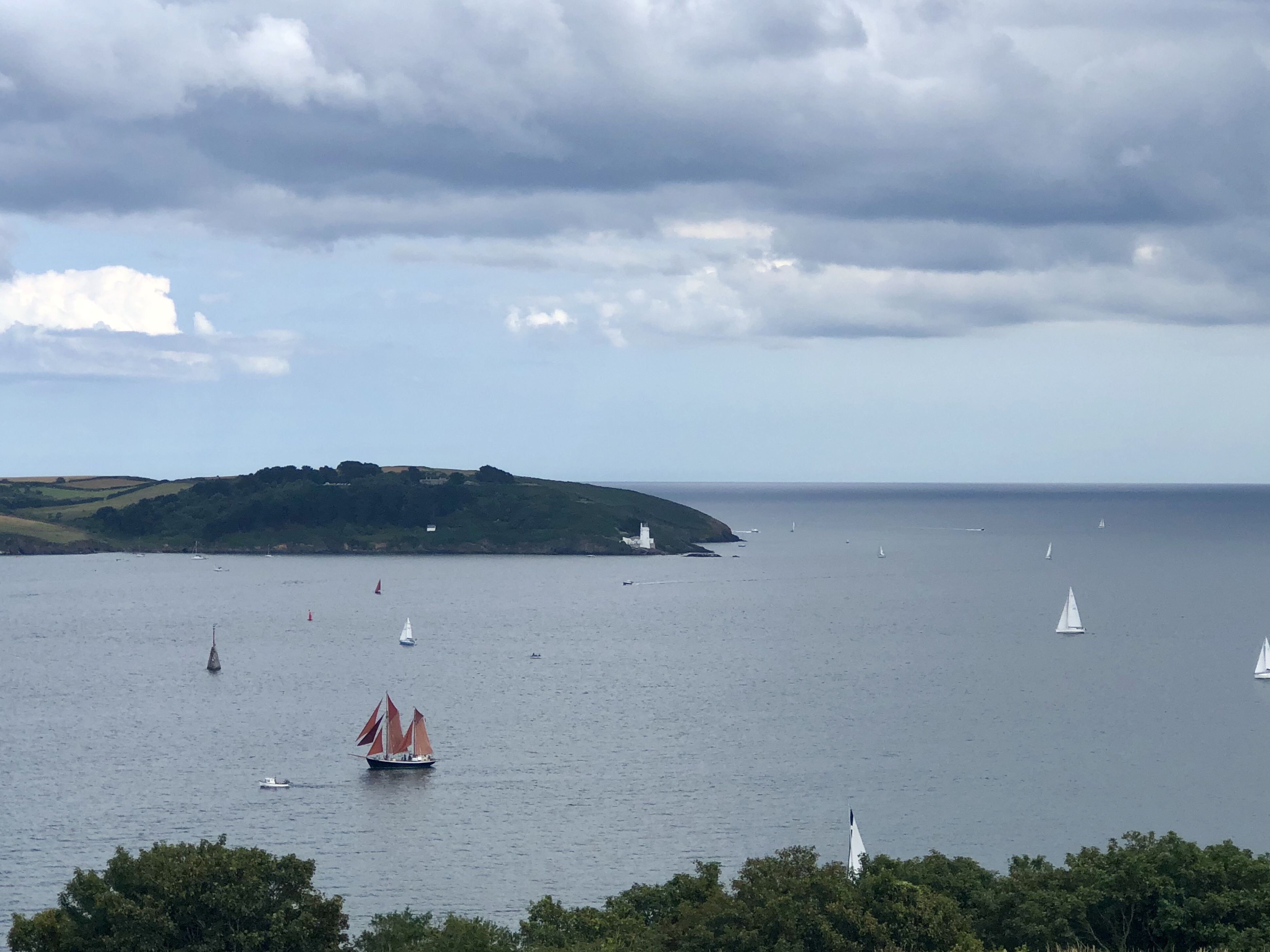
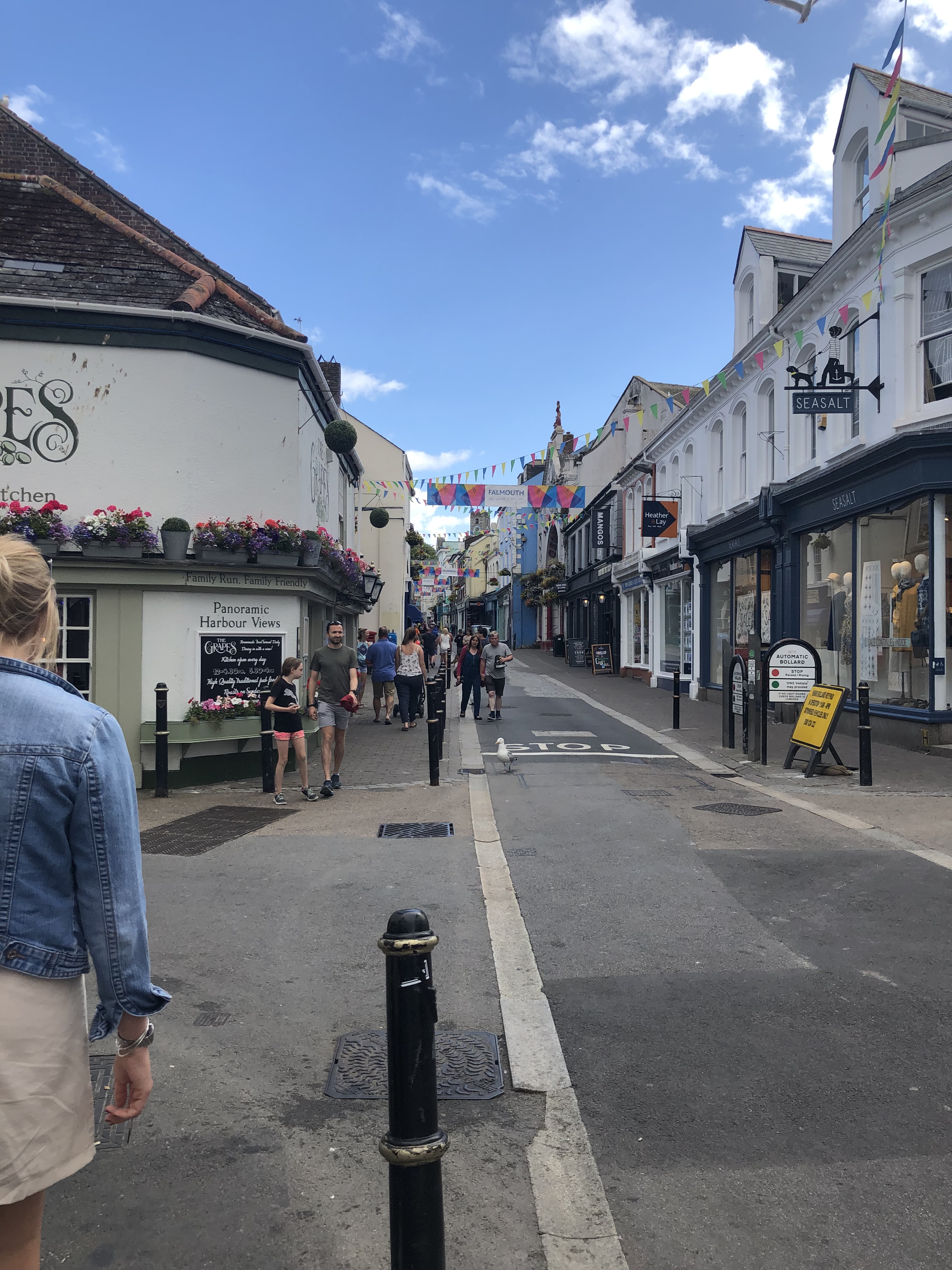
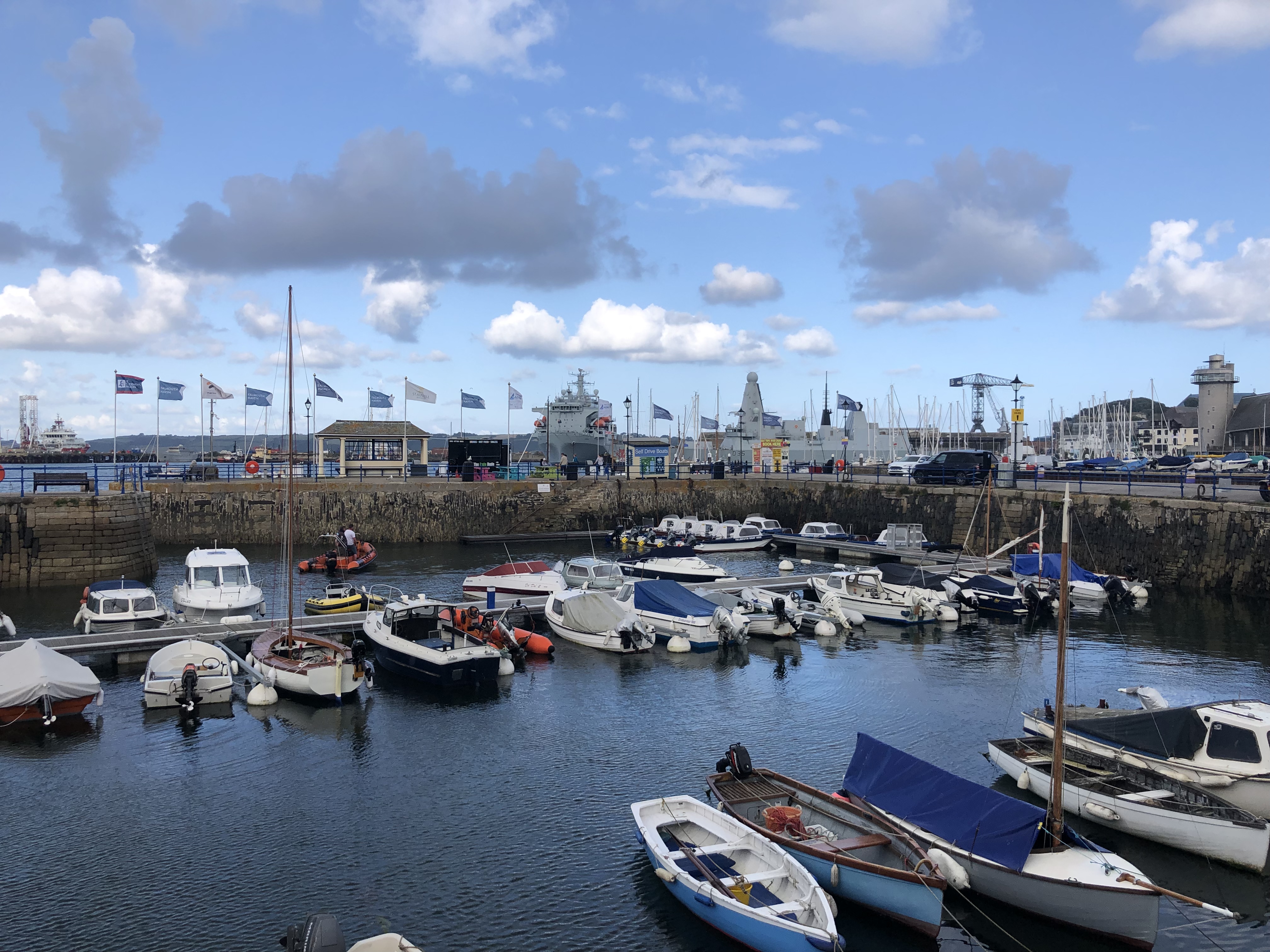
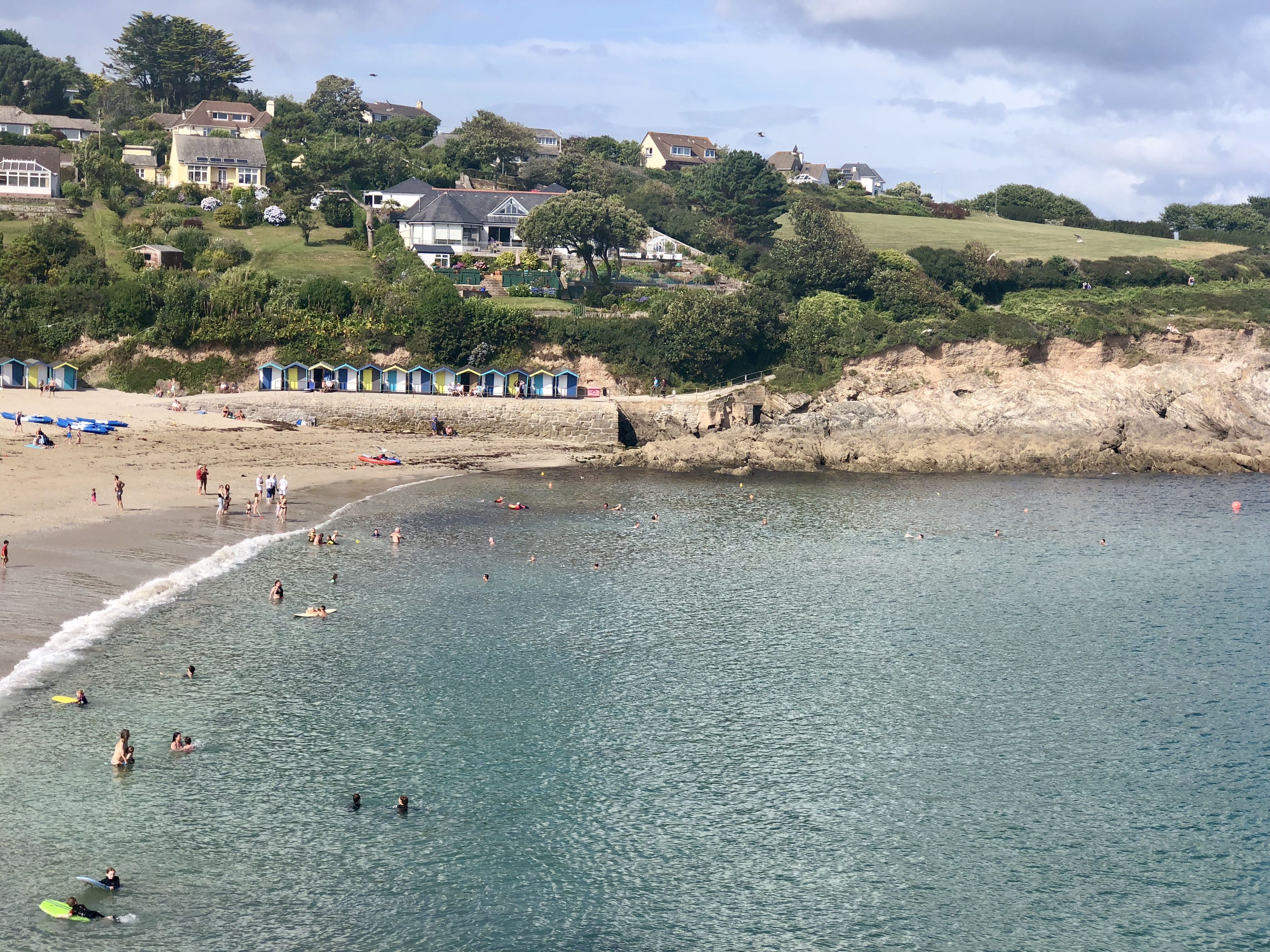
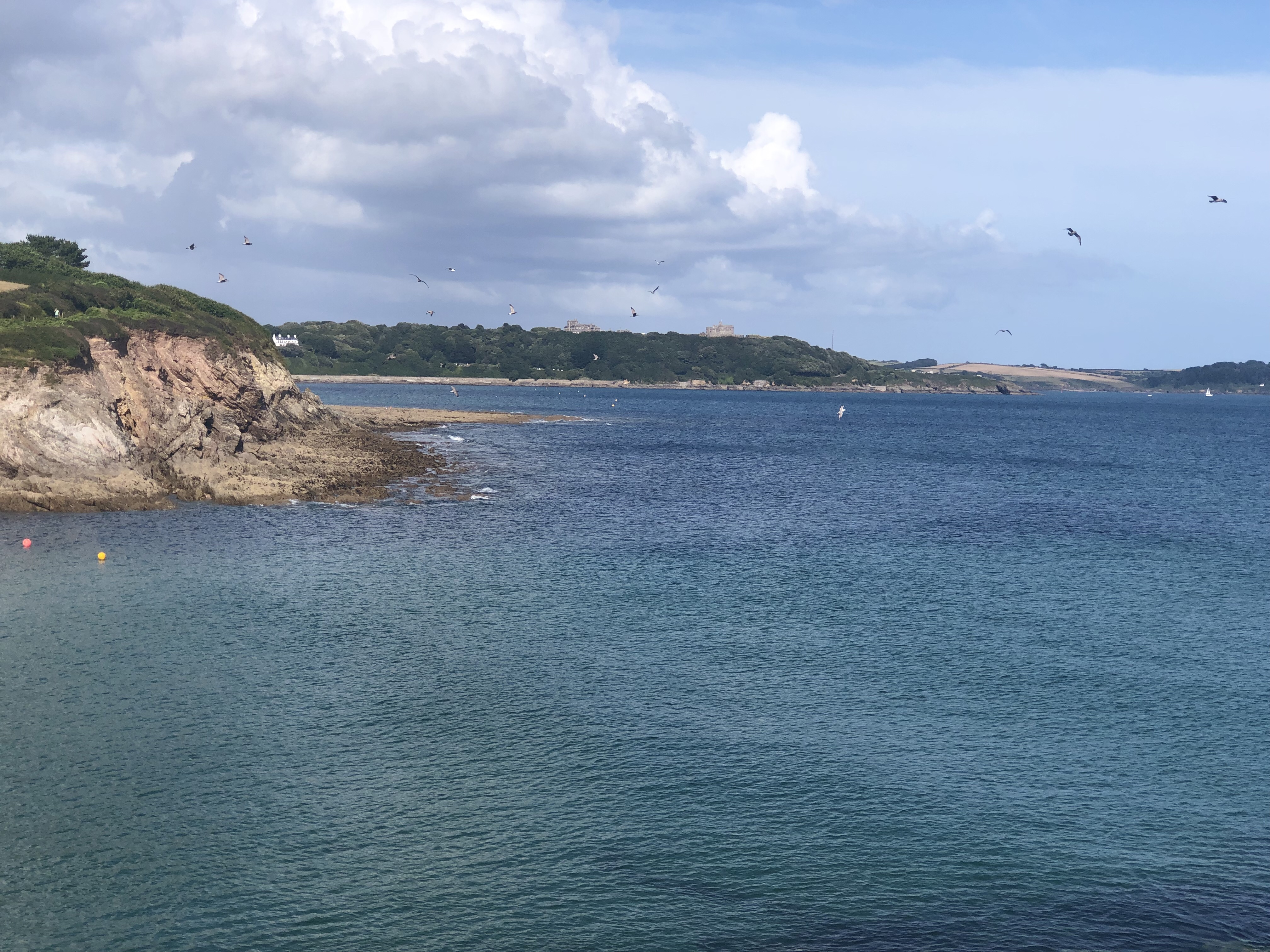
 We returned to Falmouth, the clouds promised rain but fortunately it held off, so we walked up the hill to the left of our hotel, home to Pendennis Castle. The castle was built at the order of King Henry VIII around 1540 for the purpose of defending the bay. It was used for military purposes until the end of WW2. At 3pm they fired the old cannons. An interesting place to visit with spectacular views of the town and bays.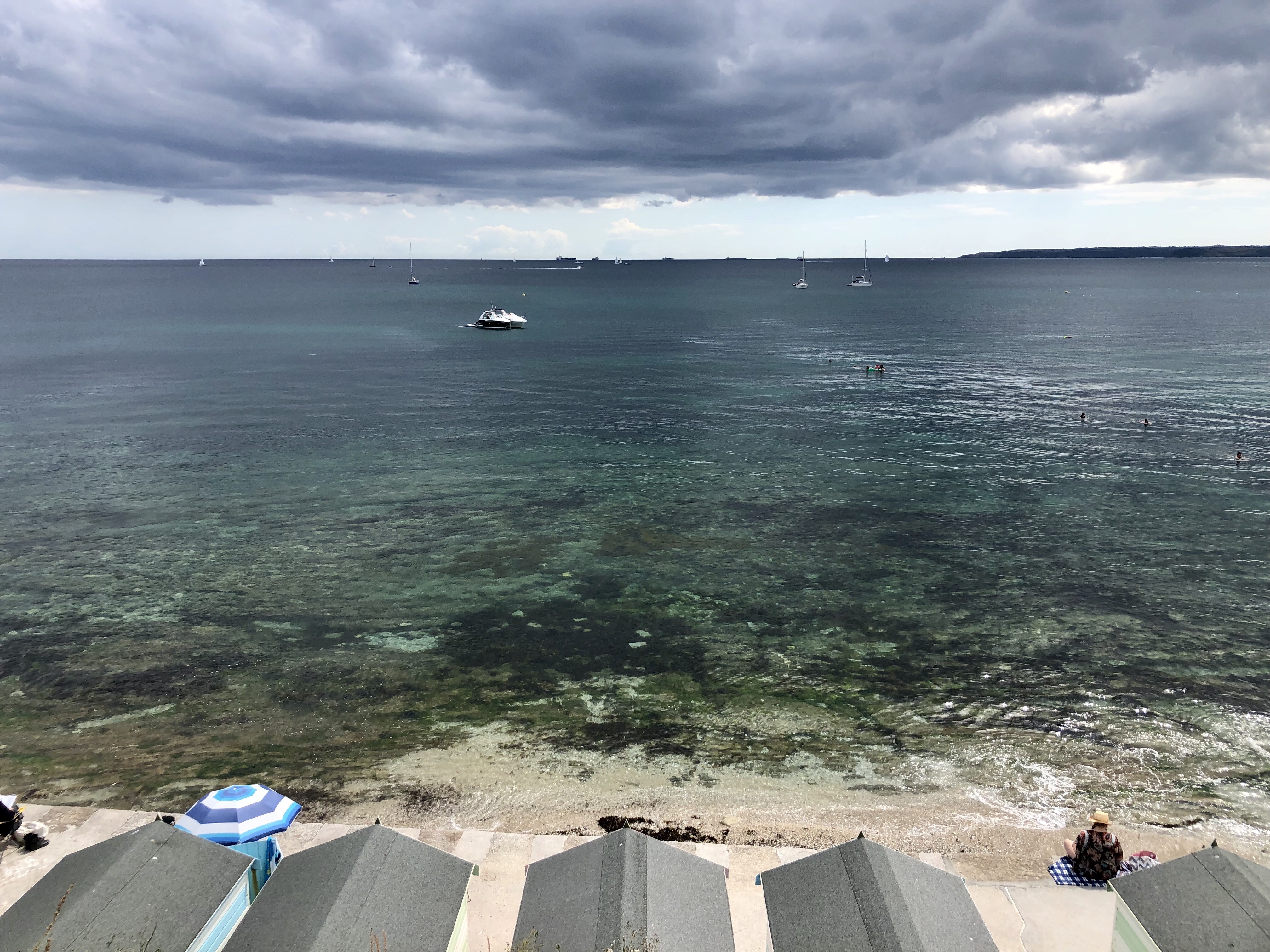










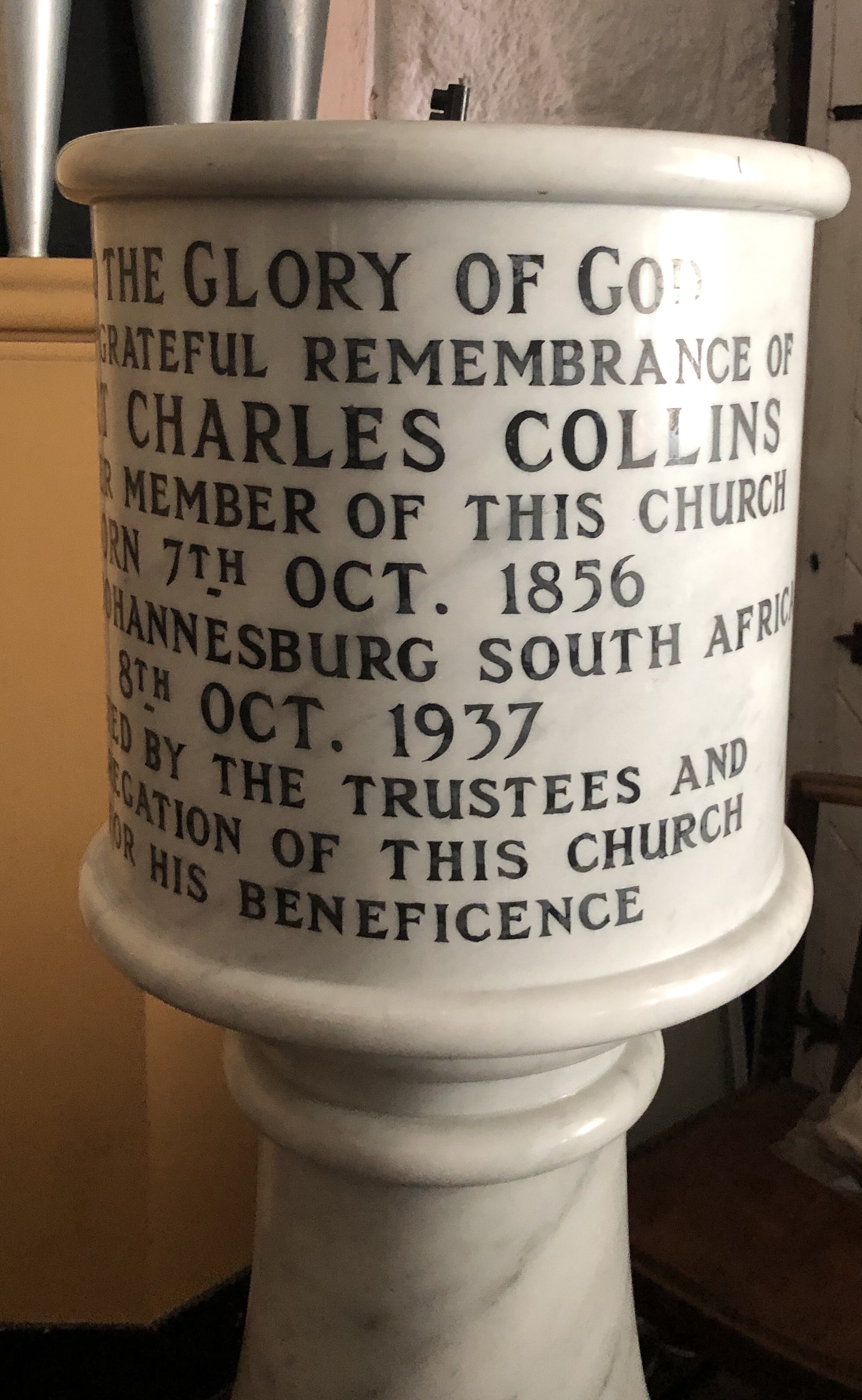
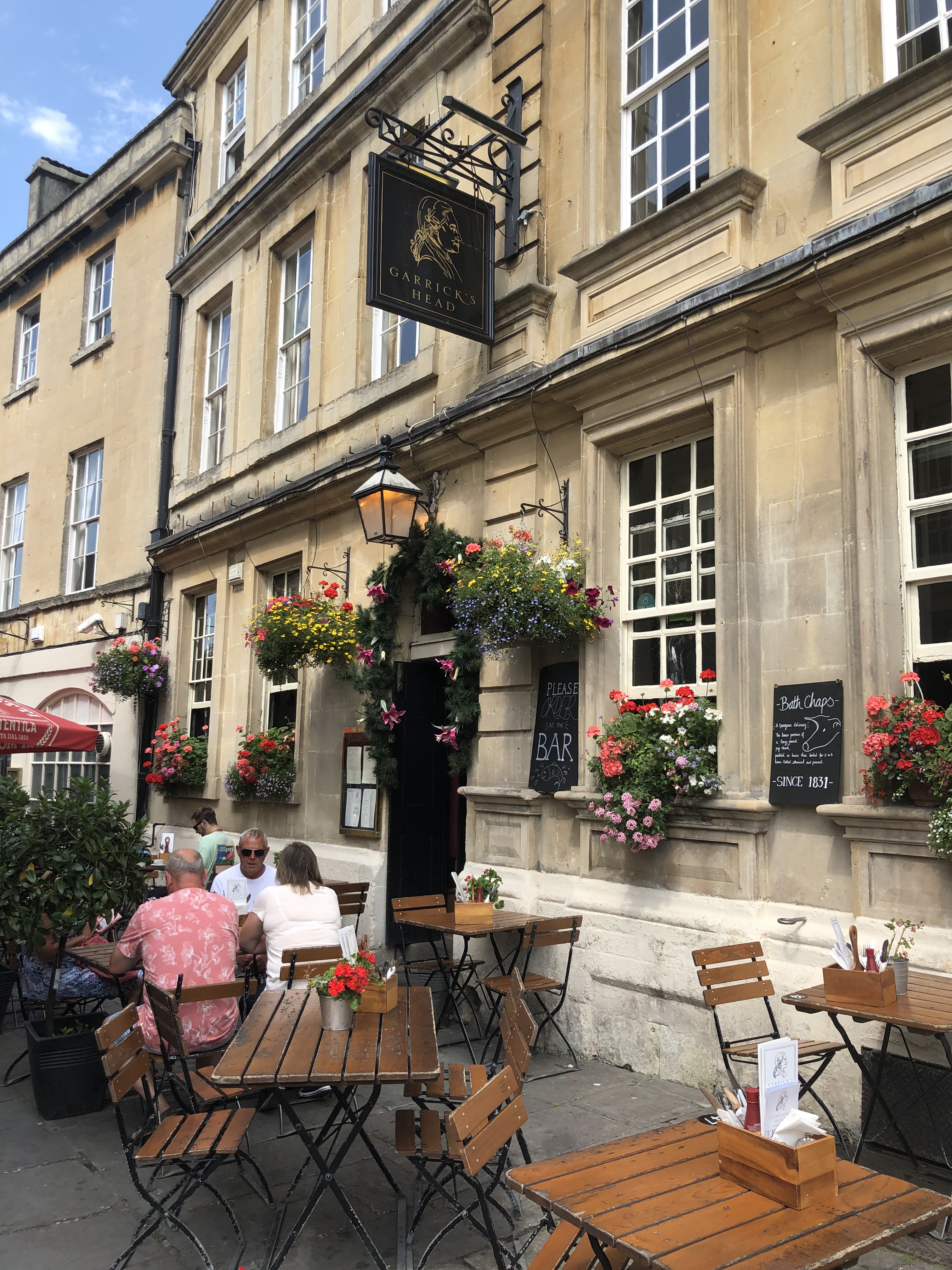
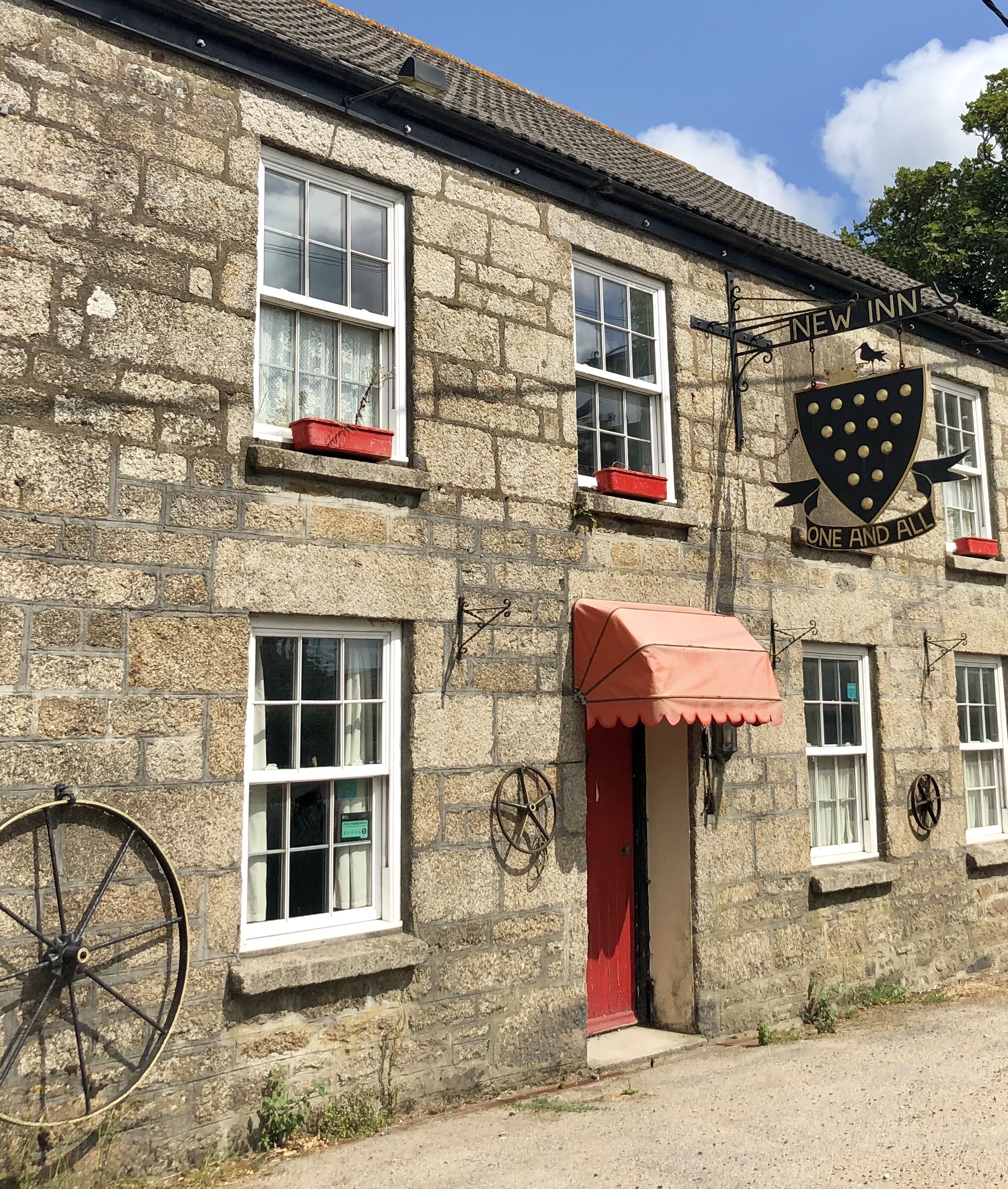 A local pub with the school motto.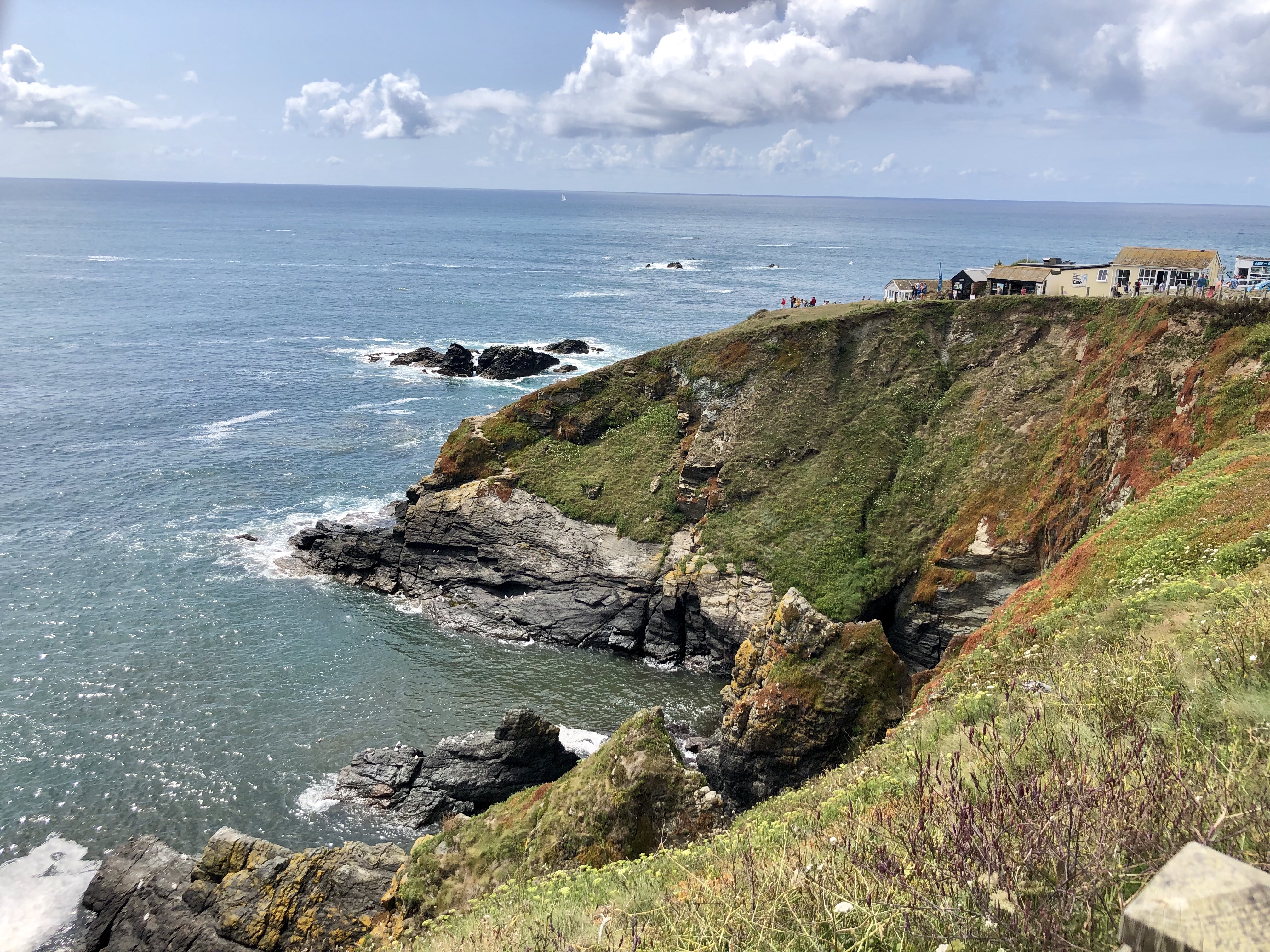







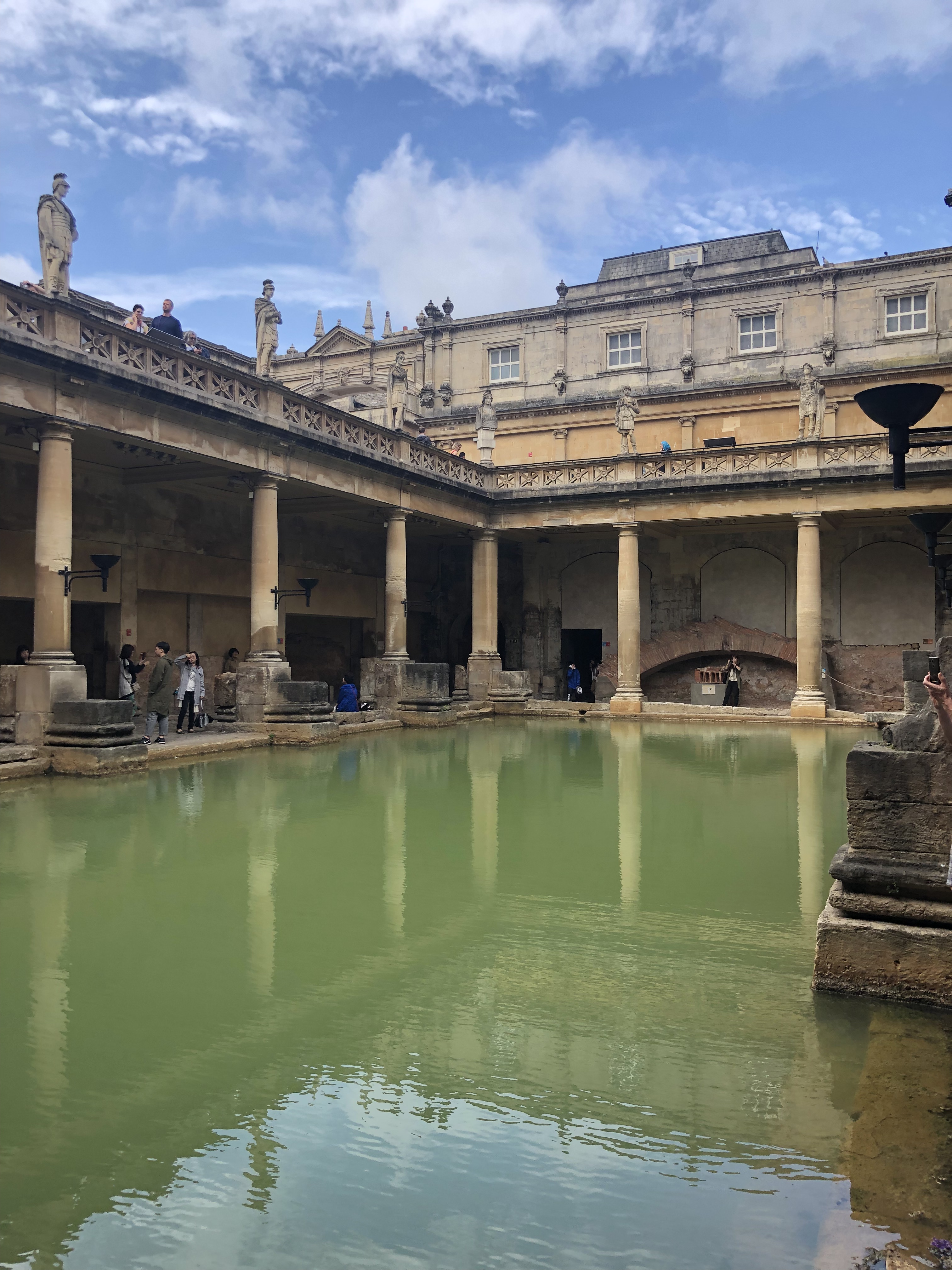
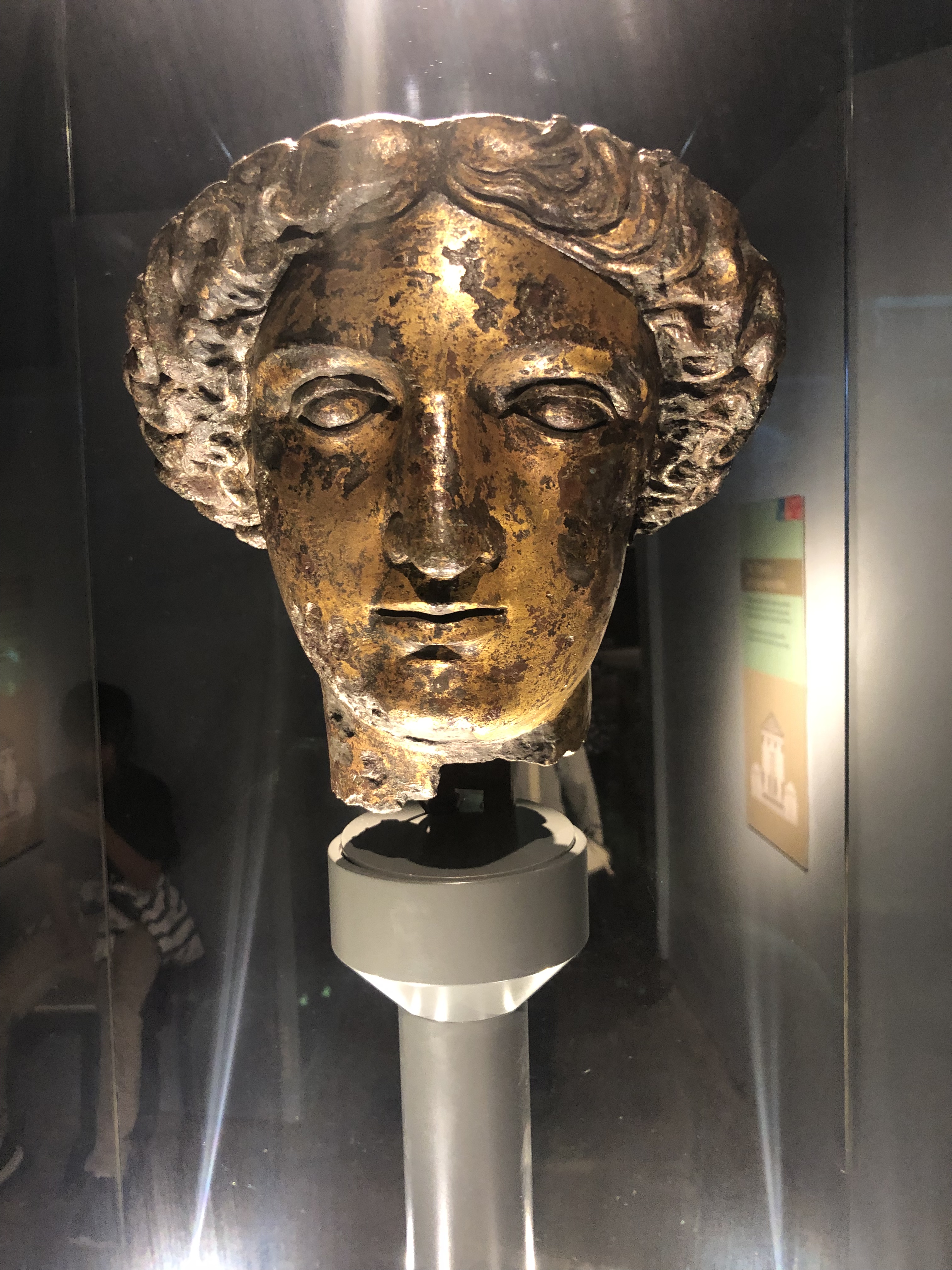













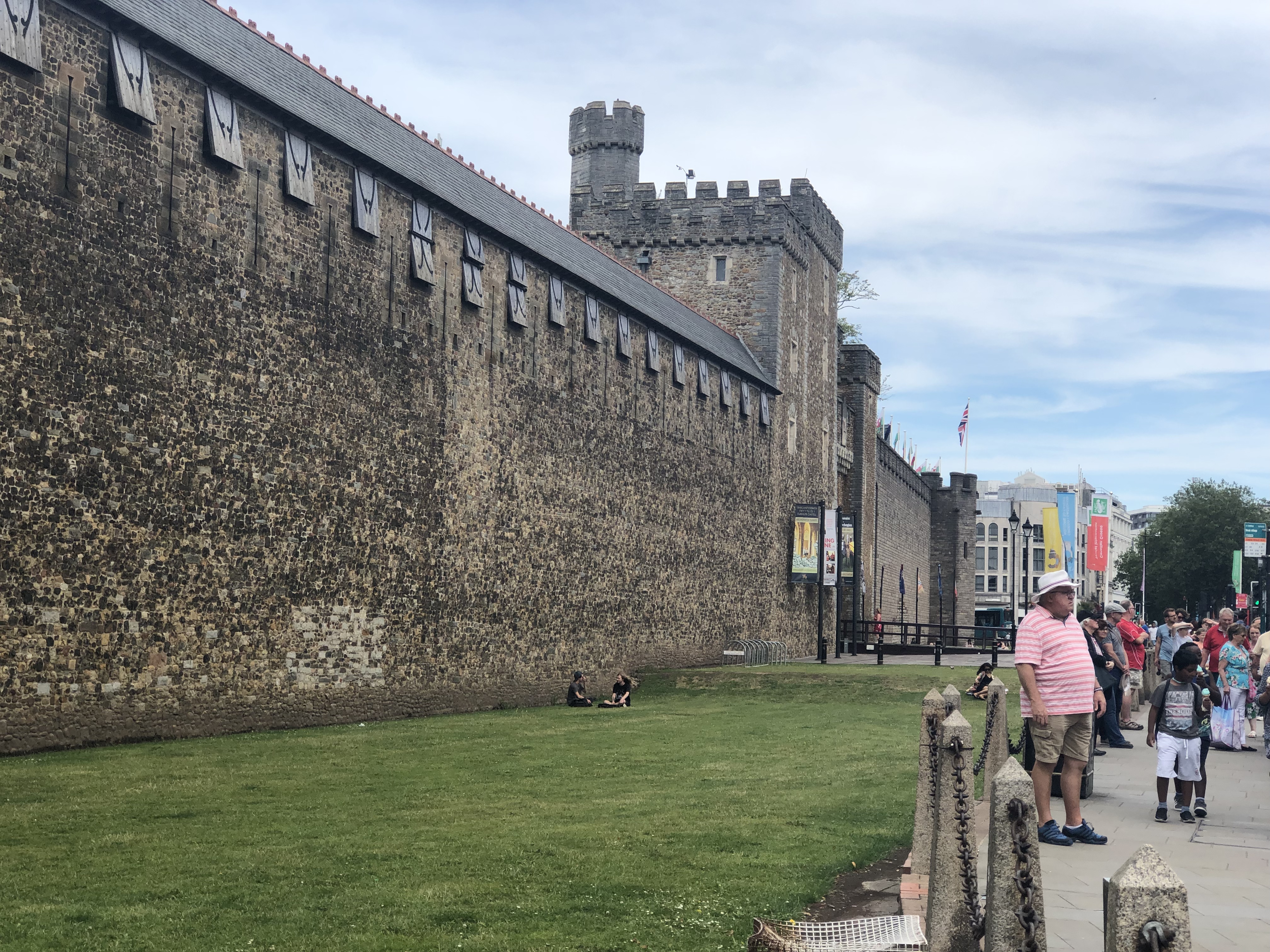
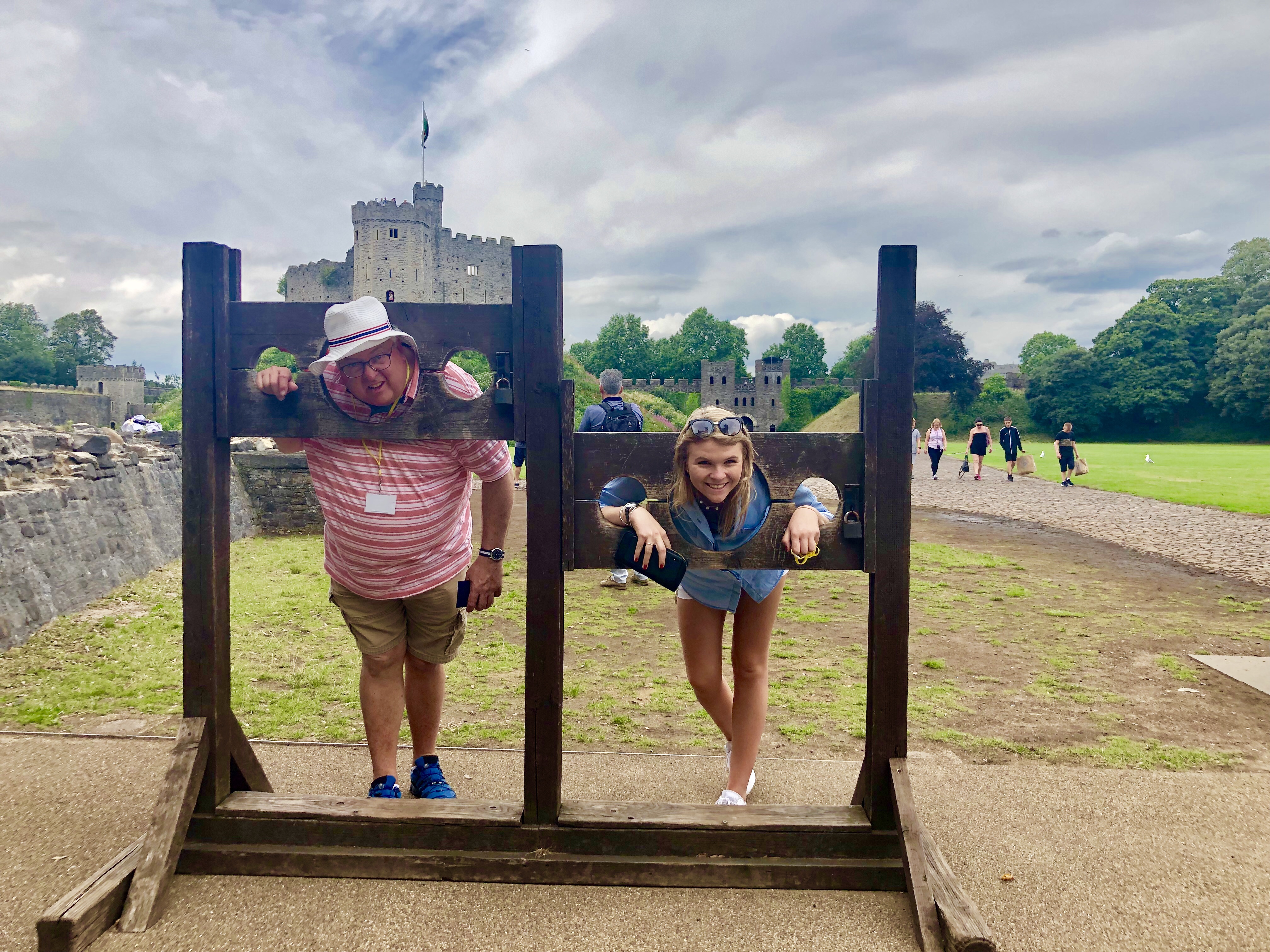
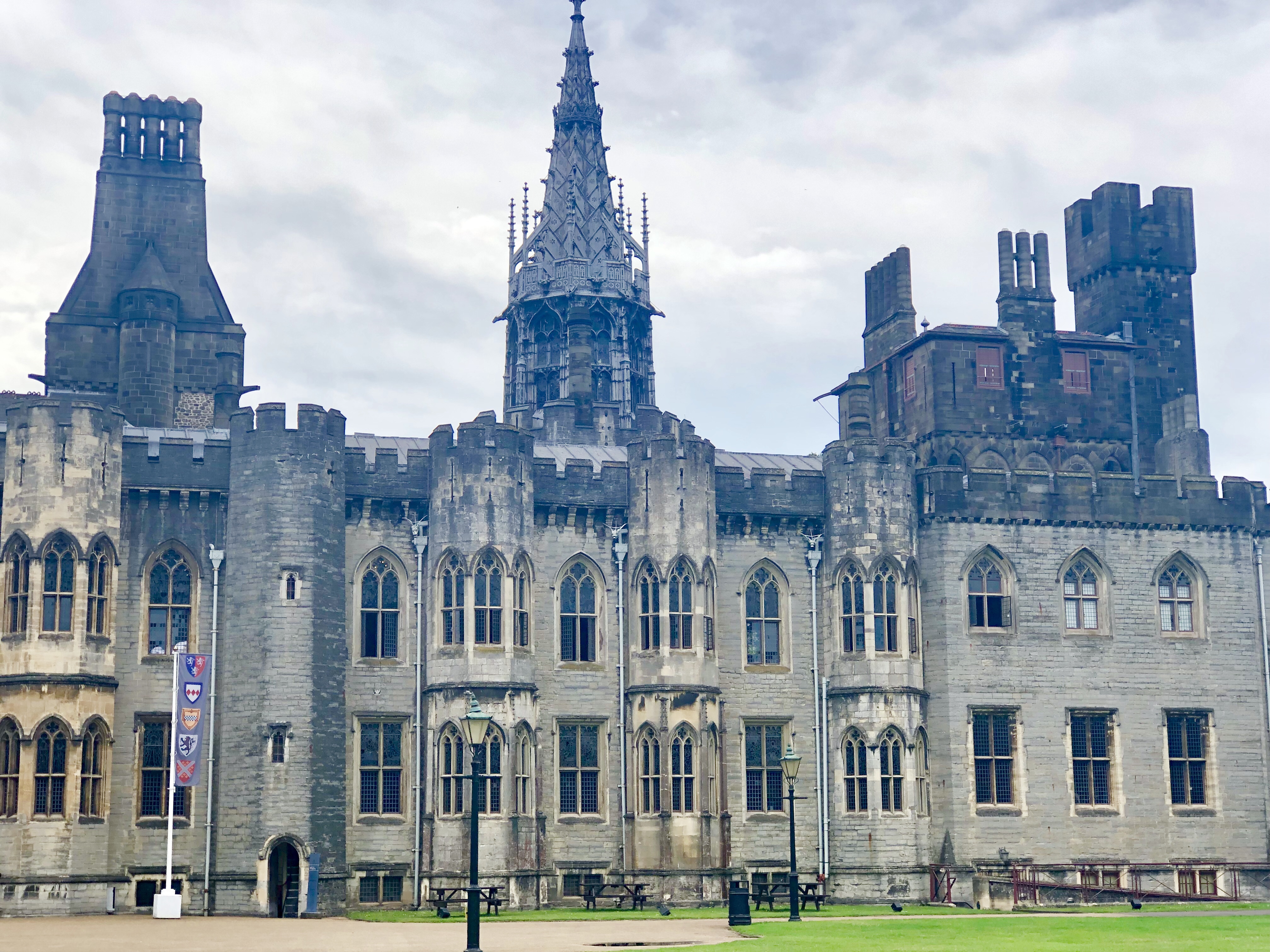
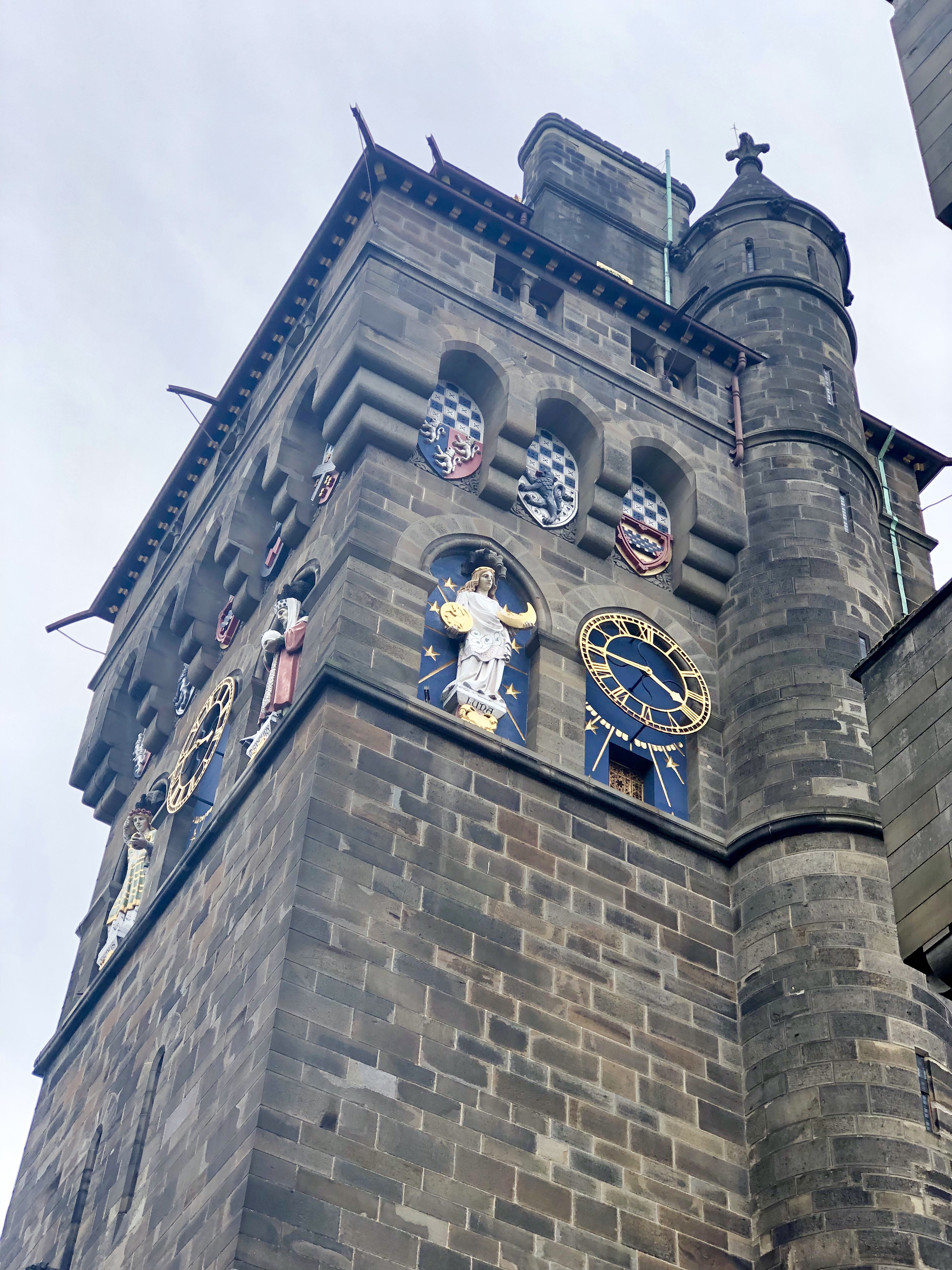
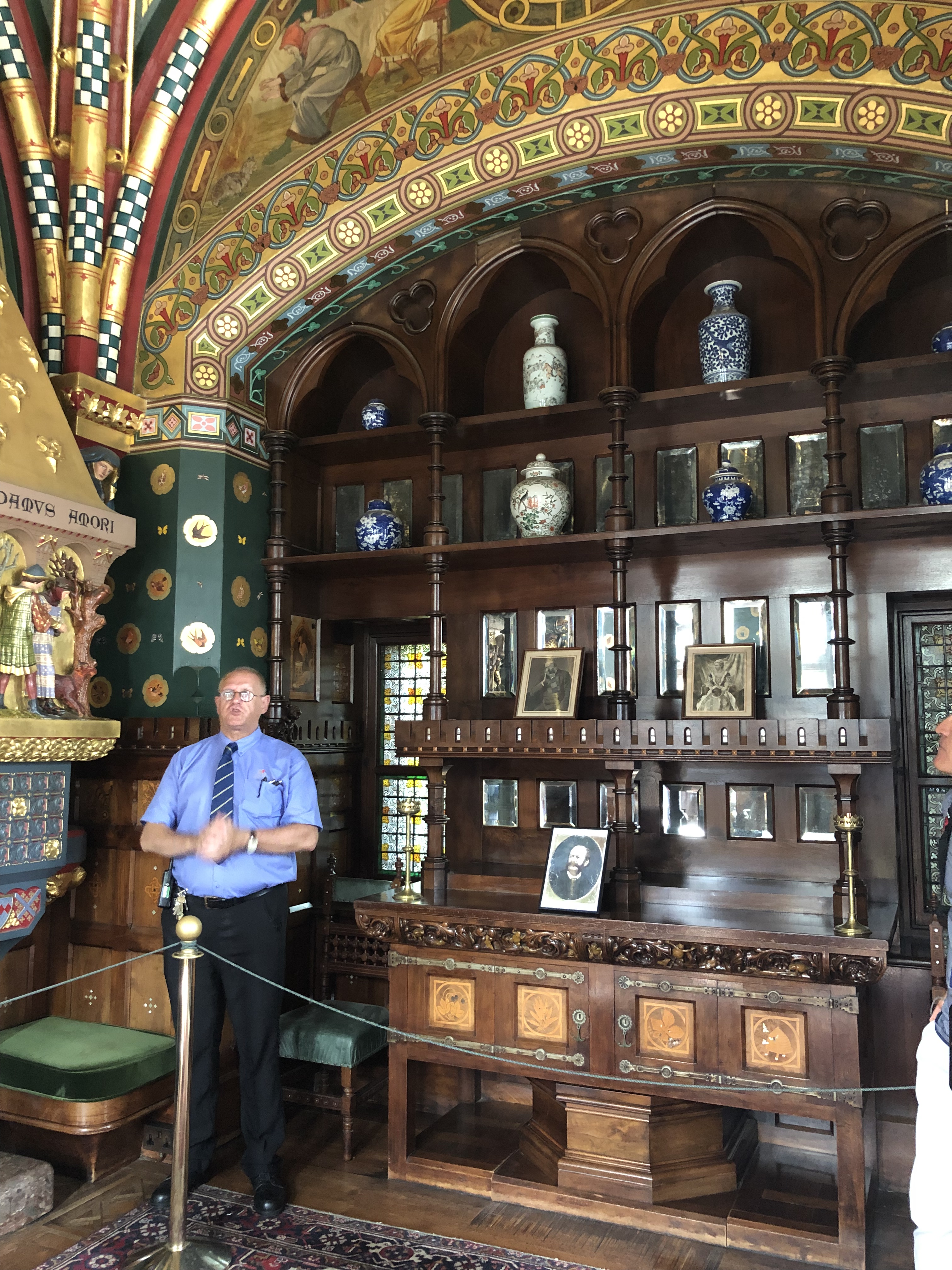
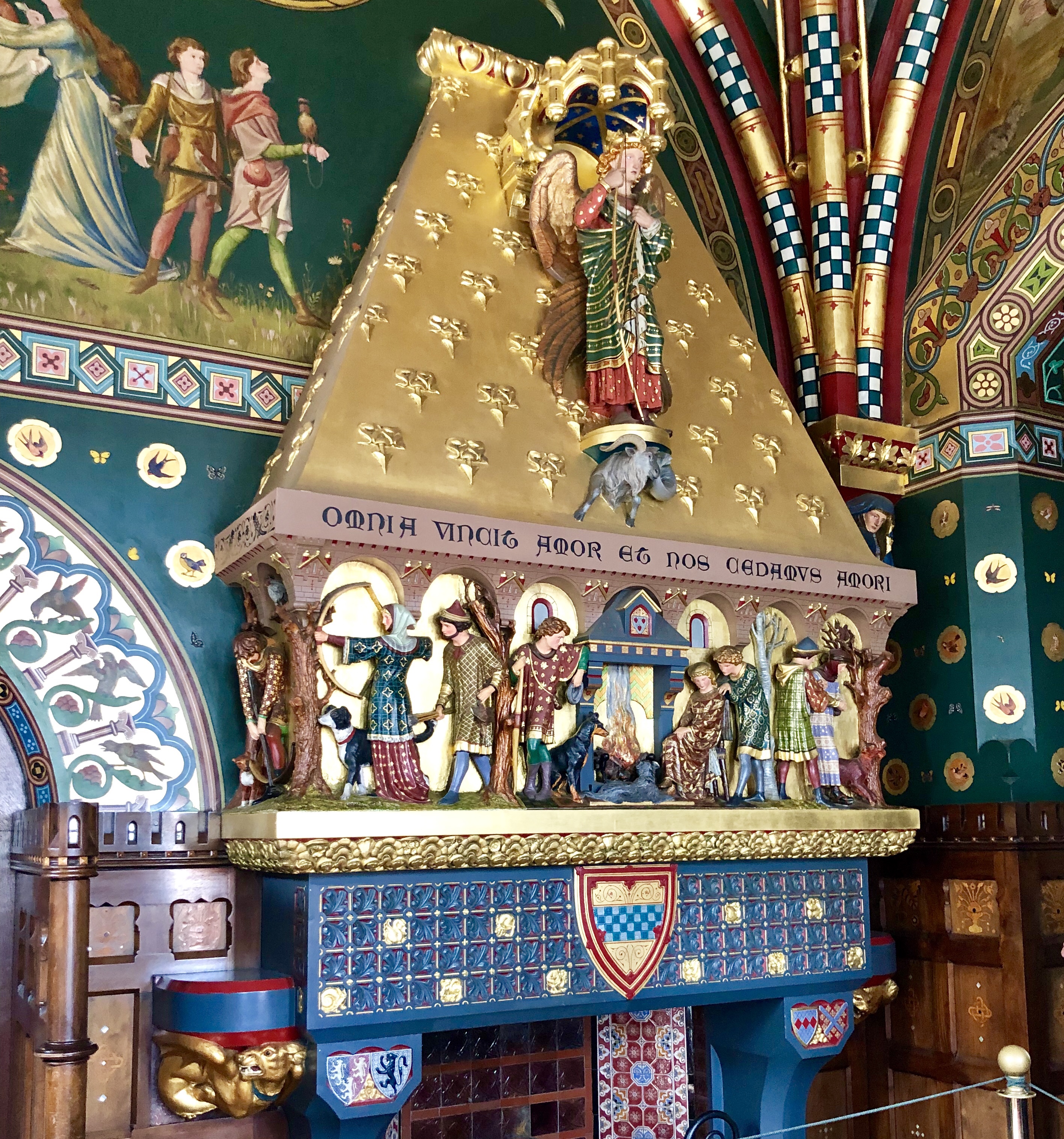
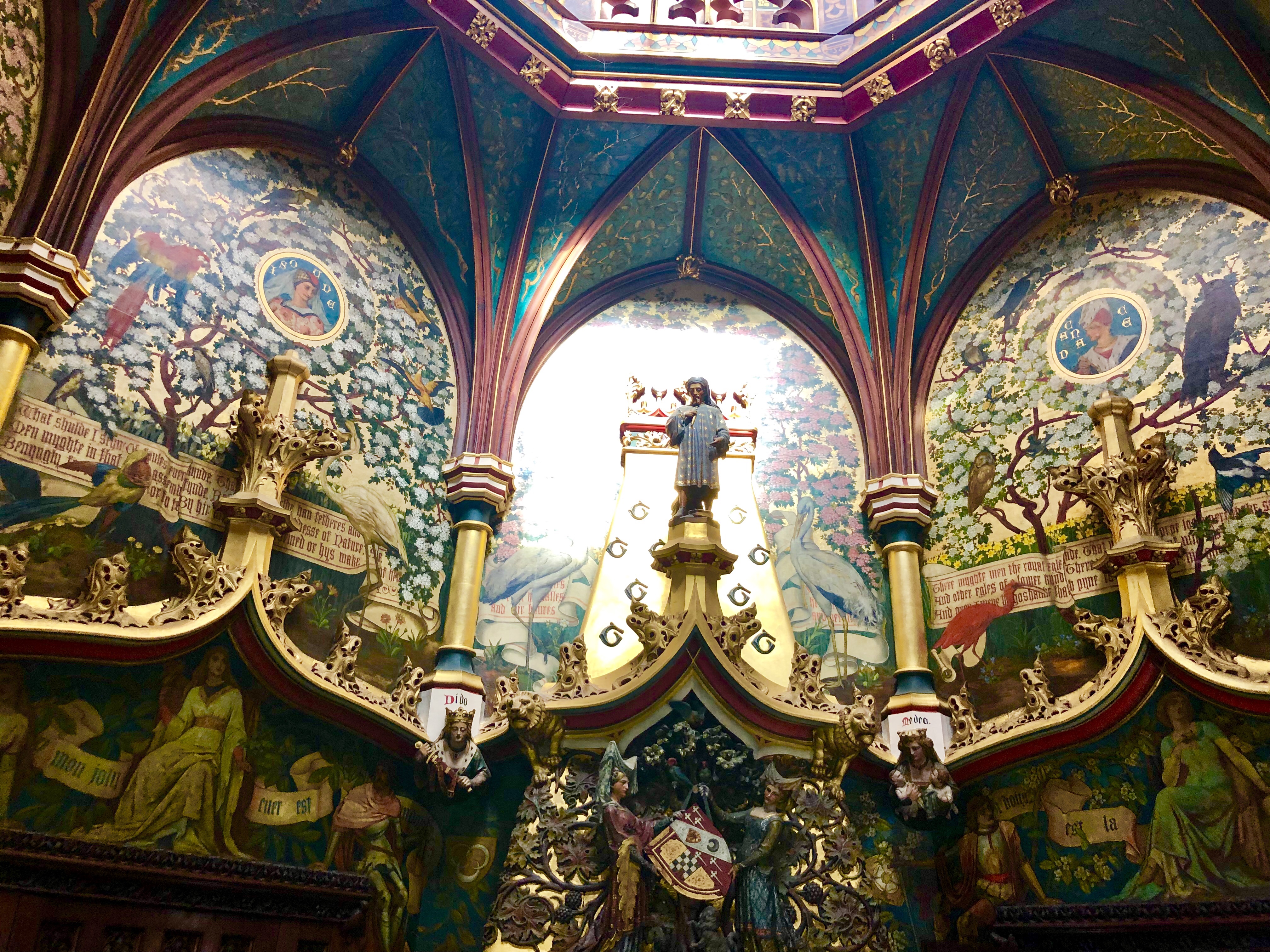
 We passed the Animal wall on our way to Cardiff Castle, where we took a tour, with a delightful gentleman named Dean. The original medieval castle was built in the 11th Century by Norman Invaders on top of a 3rd Century Roman Fort. It has since had a Victorian Gothic Revival and the rooms, down to the children’s nursery are full of symbolism.





 Pandas in Africa